
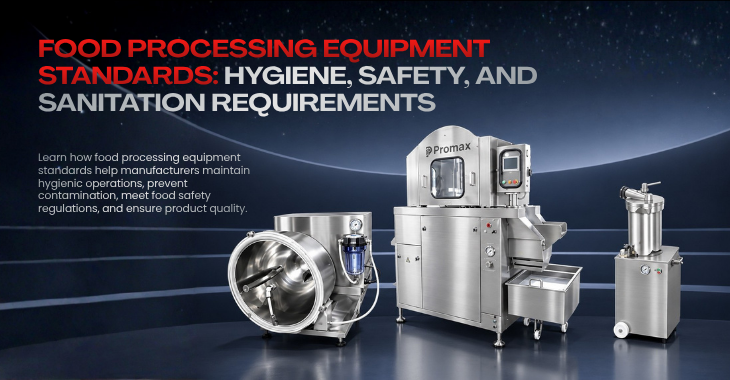
Food manufacturers depend on reliable equipment to maintain product quality, support consistent production, and protect food from contamination. From meat processing machinery and industrial mixers
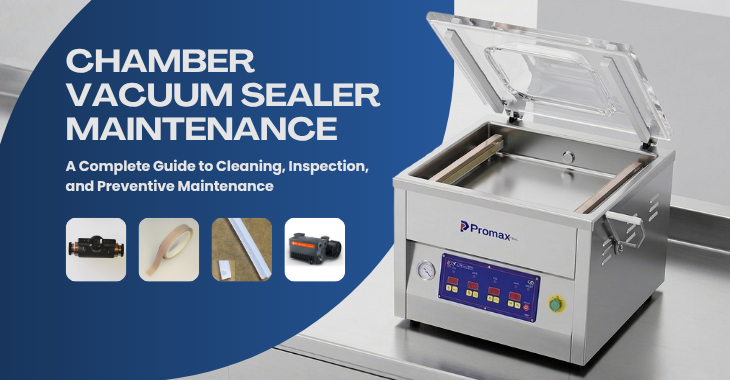
A chamber vacuum sealer can run reliably for years, but only if it receives regular maintenance. In a commercial food processing facility, a machine may operate for several hours every day, sealing
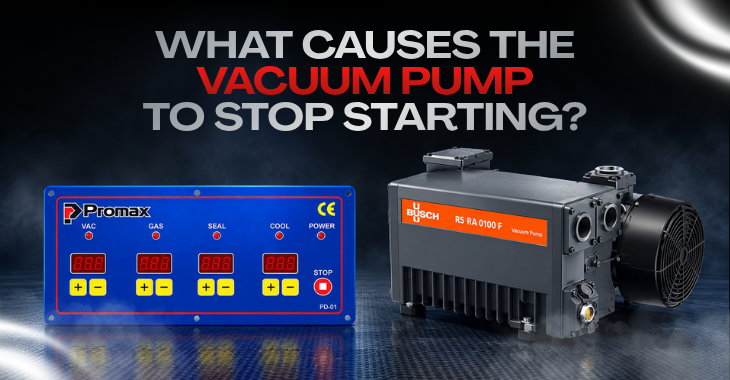
Problem: The control panel is working normally, but the vacuum pump does not start. If your vacuum packaging machine’s control panel is functioning but the vacuum pump will not start, the
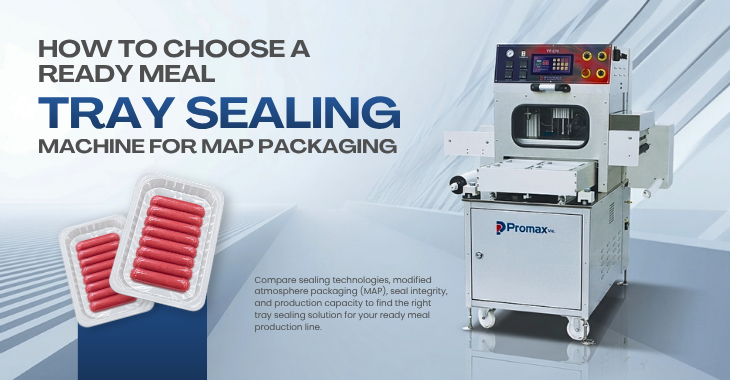
Why Tray Sealing Matters in Industrial Ready Meal Production The growing demand for chilled prepared meals has changed the way food manufacturers approach primary packaging. Ready meals, cooked meat
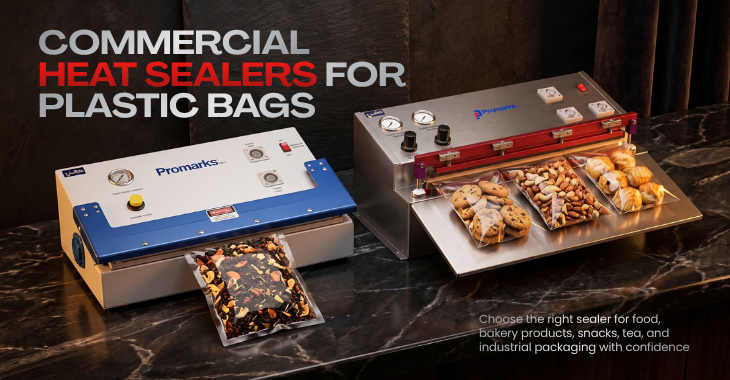
A properly sealed bag is often the final step between a packaged product and the outside environment. Whether the package contains cookies, tea, nuts, bakery products, snacks, food ingredients, or
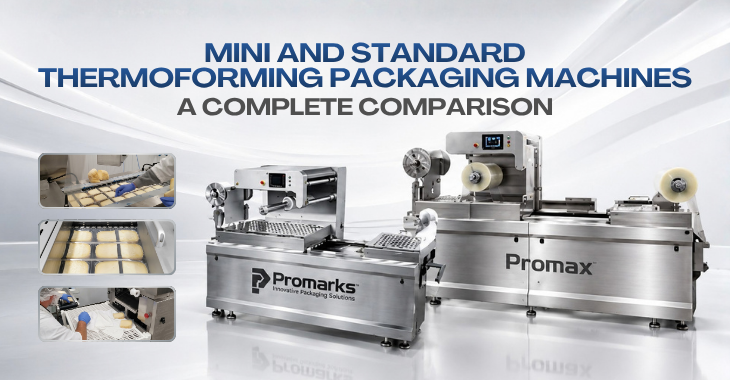
Choosing the right thermoforming packaging machine is an important decision for food processors, medical manufacturers, pharmaceutical companies, and other businesses that require consistent,
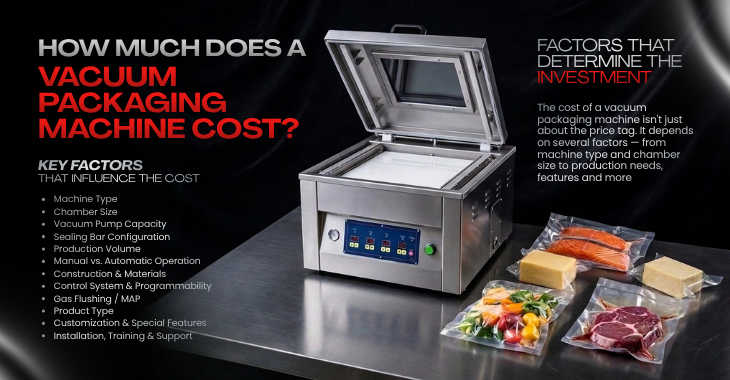
If you are researching how much a vacuum packaging machine costs, it is tempting to look for a single price range and compare machines based on the number attached to the price tag. In commercial
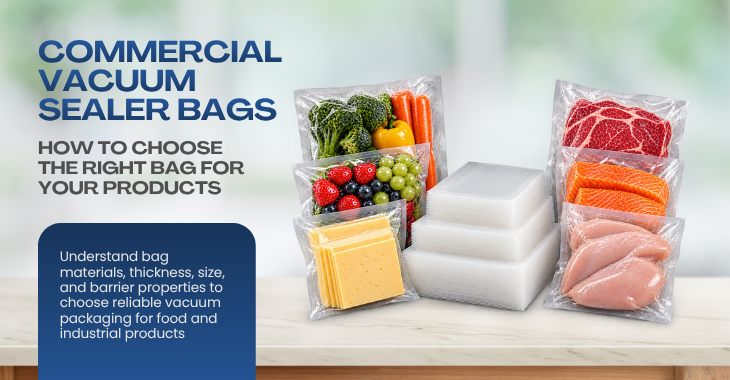
Choosing a vacuum sealer bag for a commercial operation is not as simple as finding a bag that fits inside a chamber vacuum sealer. A restaurant packaging prepared meals has different requirements
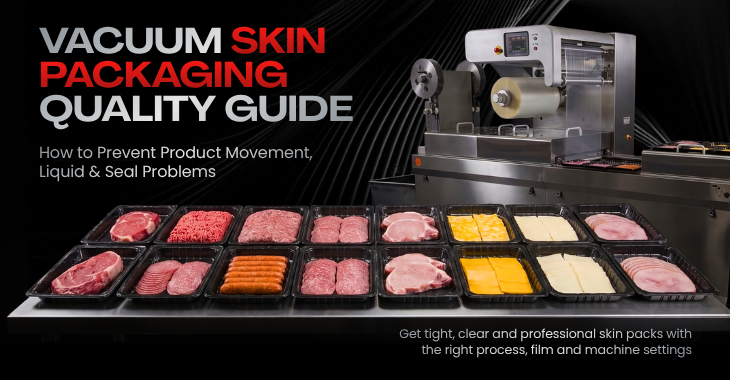
Vacuum skin packaging (VSP) is one of the most attractive and secure package formats available for fresh meat, seafood, dairy products, ready-to-eat foods, and other items that benefit from a tight,
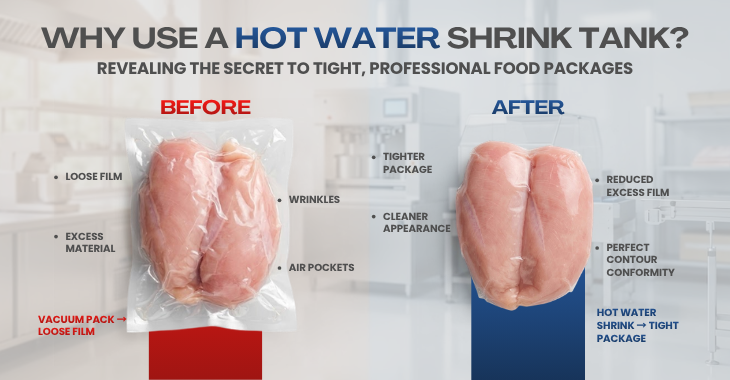
Vacuum packaging is widely used to remove air from around a product and create a sealed package. But removing air is only part of the packaging process. When a product is packaged in vacuum shrink