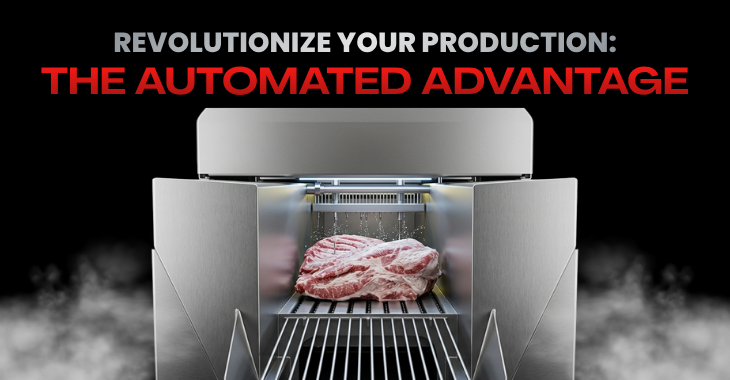
The Future of Meat Processing Machinery: Automation, Efficiency & Safety
In today’s industrial meat processing landscape, businesses are rapidly shifting toward fully automated meat processing systems, robotic cutting technologies, and AI-powered meat manufacturing solutions. From automated meat processing plants to commercial-grade meat processing equipment manufacturers, the market is expanding faster than ever. Companies seek everything from industrial meat processing machines, meat forming equipment, and pork processing lines to red meat packaging equipment and complete meat processing systems. This growth is also fueled by the rise of meat packaging automation, meat processing efficiency solutions, and advanced equipment used in meat industry production.
In the competitive landscape of the meat processing industry, efficiency is key to maintaining profitability and meeting consumer demand. In today’s fast-paced food sector, automated meat processing equipment and industrial meat processing machinery are transforming how meat products are prepared, handled, and packaged. From automated meat processing plants to industrial meat cutting equipment, the industry is undergoing a technological revolution driven by automation, safety, and profitability.
What Is Automated Meat Processing?
Automated meat processing refers to the use of smart, computer-controlled machinery that reduces or eliminates manual labor in meat manufacturing. These systems perform tasks such as cutting, grinding, mixing, forming, deboning, tenderizing, labeling, and vacuum packaging.
Modern facilities use AI meat processing technology, robotic cutters, and sensors for meat processing plants to deliver large volumes of consistent, high-quality meat products with minimal waste. Cloud-connected systems can even automate meat documentation and support meat processing inventory tracking for compliance and efficiency.
Today, even mid-sized meat processors are adopting automated beef processing lines, automated lamb boning systems, and industrial meat processing equipment to stay competitive. Companies are also shifting toward meat processing robotics, red meat processing solutions, and commercial meat analogue machinery as the market demands higher output and better hygiene controls.
Types of Meat Processing Machines
A wide range of meat processing machines are available to suit different production needs:
Cutting & Slicing Equipment
- Automated pork processing systems for pork, beef, and lamb.
- Automated lamb boning systems and automated lamb deboning systems for portioning.
- Precision beef scribing and industrial meat processing machines for commercial plants.
Additional cutting technologies now include robotic beef scribing systems, automated meat cutting machines, and advanced meat portioning equipment used by industrial meat processing companies to achieve high-precision cuts and unmatched consistency.
Grinding & Mixing Machines
- Meat grinders and vacuum mixers.
- Meat food processing equipment for sausages, patties, and other processed items.
Forming & Tenderizing Machines
- Meat forming equipment to shape patties, nuggets, or meatballs.
- Tenderizers that improve texture and yield.
Packaging & Labeling Equipment
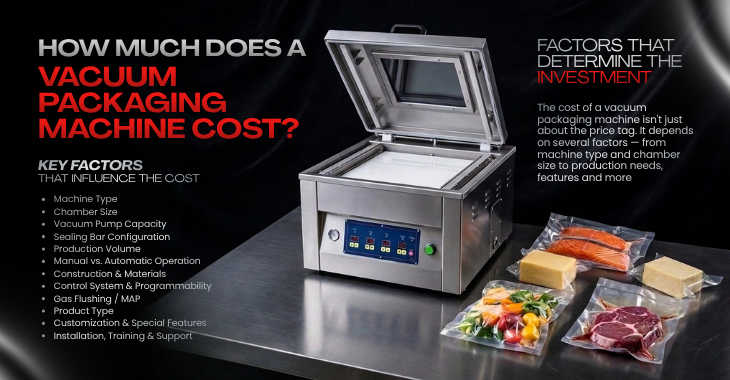
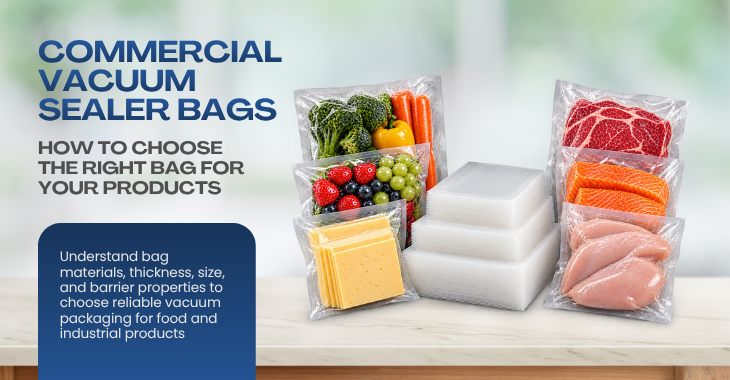
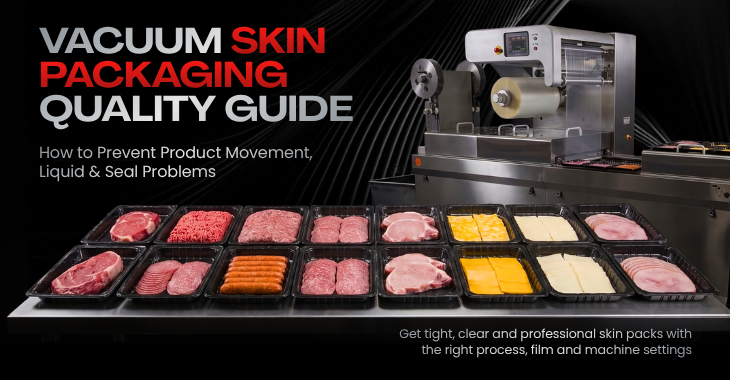
- Meat packing equipment and meat packing & processing equipment suppliers provide vacuum packaging systems.
- Machines and systems for cured meats, including machines for labeling cured meats, ensure compliance and retail readiness.
Fully automated meat packaging equipment, dried meats packaging machines, and automated ground meat packaging equipment are now common in modern facilities. Even small processors use commercial meat processing equipment suppliers for packaging, labeling, and storage solutions.
Benefits of Automated Meat Processing Equipment
Boosted Efficiency & Output
Meat processing automation allows continuous operation and eliminates bottlenecks in production. Systems for meat processors and systems for meat companies streamline workflows for higher productivity.
Industrial meat processing equipment manufacturers now provide fully automated processing lines that reduce human error, improve output, and support scalability from small meat plants to large commercial facilities.
Consistency & Product Quality
Industrial meat processing equipment manufacturers design machines for consistent slicing, grinding, and forming. Whether you need meat processing lines manufacturers or meat hygiene machinery manufacturers, automation guarantees repeatable quality.
Improved Food Safety & Hygiene
Meat machinery built with stainless steel ensures seamless cleaning and compliance. Industrial meat equipment minimizes contamination risks and meets global hygiene standards.
Labor & Cost Savings
With automation, businesses from small butcher shops to large commercial meat processing factories reduce manual labor costs while achieving long-term savings.
Who Uses These Machines?
- Commercial meat processors & factories rely on meat processing systems and industrial meat processing machines to meet high-volume demand.
- Food businesses & butchers use smaller-scale meat processing equipments or automated processing machines for efficiency.
- Specialty producers benefit from advanced tools such as meat manufacturing systems, meat forming equipment, and niche systems like machines and systems for cured meats.
Even game meat processing companies, venison processing facilities, sausage processing factories, and artisan smoked meat producers now use industrial meat machines, meat rolling machines, and specialized equipment for meat preparation, labeling, and portioning.
Choosing the Right Meat Processing Equipment Manufacturer
When investing, it’s essential to partner with a trusted meat processing equipment manufacturer that provides:
- Durable industrial-grade meat processing system designs.
- Support for upgrades, spare parts, and training.
- Customization for niche needs, from automated process equipment to meat processing plant equipment.
- Guidance on the meat processing equipment market and emerging automation trends.
A reliable supplier should also guide you through meat processing factory design, automated meat packaging cost analysis, food safety meat processing solutions, and tools and equipment used in meat processing to ensure regulatory compliance.
Why Promarksvac Corp Is a Leader
At Promarksvac Corp, we specialize in high-performance industrial meat processing equipment and automated food processing equipment. As one of the top meat processing machinery manufacturers and meat processing equipment manufacturers, we provide:
- State-of-the-art industrial meat processing machines and automation solutions.
- Custom-built systems for pork, beef, lamb, and poultry.
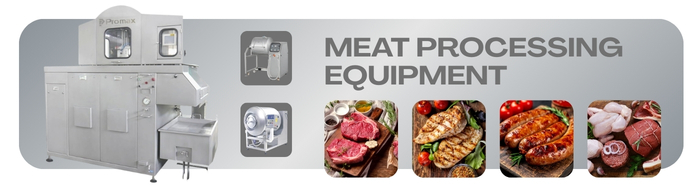
- Vacuum sealers, tumblers, injectors, and meat manufacturing equipment for all scales.
- Expertise in industrial meat processing equipment manufacturer solutions worldwide.
We also support commercial meat processing equipment suppliers, meat equipment companies, and meat processing industry manufacturers with consultation, design, and automated system integration services.
Final Thoughts: The Future Is Automated
Automation is no longer optional it’s the new standard in the global meat industry. By adopting meat processing tracking systems, investing in industrial meat processing equipment manufacturers, and leveraging automated process equipment, companies can achieve efficiency, hygiene, and profitability.
From meat machines to meat processing equipment market innovations, the industry is evolving and those who invest today will lead tomorrow.
As technology advances, the industry will see more robotic meat cutting systems, automated food processing solutions, commercial meat cutting equipment advancements, and even AI-based meat quality control systems. This makes now the perfect time for processors to upgrade their meat manufacturing solutions and boost productivity.
Need help choosing the right automated meat processing machine?
Contact Promarksvac Corp today your reliable meat processing machine manufacturer and partner in automation excellence.
Frequently Asked Questions (FAQ)
1. What are the most important maintenance tasks for an industrial meat processing machine?
The most important maintenance tasks include routine cleaning, lubrication of moving parts, checking seals and gaskets, inspecting the electrical system, and ensuring the cutting or processing components are aligned properly. Regular preventive maintenance helps increase machine lifespan and reduces the risk of breakdowns during production.
2. How often should meat processing equipment be serviced?
Service intervals depend on the machine type and production load. Most commercial machines require weekly basic maintenance and a full professional service every 3–6 months. High-volume plants may need more frequent servicing.
3. What is the benefit of automation in meat processing?
Automation improves consistency, increases speed, reduces labor cost, enhances hygiene, and minimizes human error. It also allows processing plants to meet higher production demands with greater efficiency and accuracy.
4. Is automated meat processing safe for food handling?
Yes. Automated meat processing equipment is designed to meet strict food safety standards, reduce contamination risk, and maintain controlled environments. Stainless steel construction and easy-to-clean components help meet HACCP and USDA compliance.
5. What types of meat can automated processing machines handle?
Modern systems can process beef, poultry, pork, lamb, seafood, and even specialty products like sausages or deli meats. Different machines are optimized for tasks such as cutting, grinding, injecting, tumbling, packaging, and labeling.
6. How do I choose the right machine for my meat processing plant?
The right machine depends on your production volume, product type, budget, and the level of automation you need. Consider factors such as machine capacity, power requirements, available space, and maintenance needs. It is always helpful to speak with a manufacturer for a customized recommendation.
7. Do automated packaging machines reduce product waste?
Yes. Automated packaging minimizes human handling, ensures precise sealing, and reduces packaging errors, which lowers product spoilage and waste. Vacuum packaging systems also extend shelf life.
8. Can small businesses use industrial-grade meat processing equipment?
Absolutely. Many equipment manufacturers offer compact or table-top versions of industrial machines, making them ideal for small butcher shops, startups, and local processors who want professional results without a large investment.
9. What is the difference between commercial and industrial meat processing equipment?
Commercial equipment is designed for medium-volume operations like butcher shops or supermarkets. Industrial machines are built for continuous, high-volume production and may include automation, robotics, or fully integrated processing lines.
10. How much does meat processing equipment cost?
Costs vary widely depending on machine type, size, and level of automation. Small machines may start around a few thousand dollars, while full industrial lines can cost tens or hundreds of thousands. Requesting a quote from a supplier ensures accurate pricing.