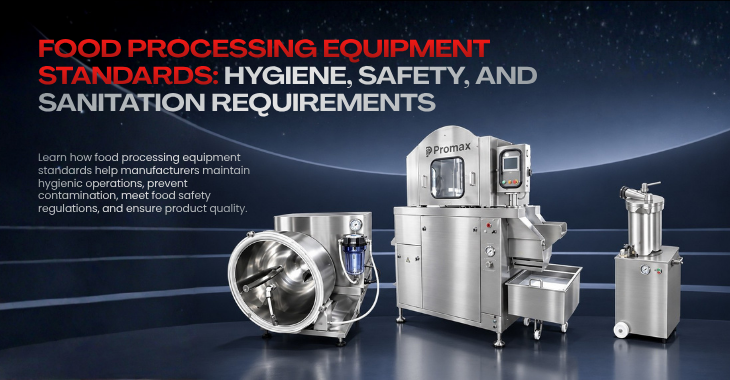
Food manufacturers depend on reliable equipment to maintain product quality, support consistent production, and protect food from contamination. From meat processing machinery and industrial mixers to vacuum packaging machines, tray sealers, and thermoforming systems, every piece of equipment has a role in the production process. However, the performance of a machine is not measured by production speed alone. Its design, cleanability, maintenance requirements, and safety features are equally important considerations for businesses operating in demanding food manufacturing environments.
Food processing equipment must be suitable for the products being handled and the conditions in which it operates. Food residues can accumulate in difficult-to-clean areas, damaged components can create contamination risks, and poorly maintained machinery can interrupt production. At the same time, employees working around moving parts, heated sealing elements, electrical systems, and other industrial components need appropriate safeguards.
For food manufacturers, understanding equipment hygiene, sanitation, and safety requirements is an important part of selecting machinery and managing daily operations. These considerations are particularly relevant to meat, poultry, seafood, dairy, cheese, and prepared-food businesses, where equipment must support the production process without compromising product integrity.
This guide explains the standards and principles that food manufacturers should understand, how hygienic equipment design supports effective sanitation, and what businesses should evaluate when purchasing and maintaining food processing and packaging machinery.
What Are Food Processing Equipment Standards?
Food processing equipment standards and regulations help establish expectations for the design, construction, installation, operation, and maintenance of machinery used in food manufacturing. Their purpose is to help businesses control contamination risks, maintain appropriate processing conditions, and protect employees during production and maintenance activities.
These requirements are not identical for every machine. A meat grinder, for example, must allow appropriate cleaning of its product-contact components while providing protection from blades and moving parts. A dairy processing system may require hygienic connections and specialized cleaning procedures. An industrial vacuum packaging machine must be suitable for its packaging application, with accessible areas that can be cleaned and maintained according to the manufacturer’s instructions.
The requirements also depend on the intended market. Food manufacturers operating in the United States may need to consider applicable Food and Drug Administration (FDA) regulations, workplace safety requirements, and relevant equipment standards. Other markets may have additional or different regulatory obligations.
It is important to distinguish between regulatory compliance, voluntary industry standards, certification programs, and manufacturer recommendations. A particular certification may demonstrate that equipment has been evaluated against specific criteria, but it does not automatically establish compliance with every food safety requirement.
For equipment buyers, the practical objective is to select machinery that suits the food product, production environment, cleaning process, and applicable regulatory framework.
Understanding the Main Food Processing Equipment Standards
Several regulatory frameworks and industry resources can help food manufacturers evaluate equipment hygiene and safety. Understanding their purpose makes it easier to ask suppliers the right questions and identify the documentation required for a particular application.
FDA Requirements for Food Processing Equipment
In the United States, FDA regulations under 21 CFR Part 117 address current good manufacturing practices, hazard analysis, and risk-based preventive controls for applicable human food operations.
Section 117.40 specifically addresses equipment and utensils used in manufacturing, processing, packing, or holding food. It includes requirements concerning adequate cleanability, appropriate materials, maintenance, and the prevention of contamination and allergen cross-contact.
These principles have practical implications for equipment selection. Food-contact surfaces should be made from suitable materials and designed to withstand their intended operating environment and applicable cleaning procedures. Equipment should also be installed in a way that facilitates cleaning and maintenance.
For example, a food manufacturer evaluating a packaging machine should consider whether product residues can be removed effectively from relevant surfaces, whether components can be inspected, and whether routine maintenance could introduce contaminants into the production area.
FDA regulations do not mean that every individual food processing machine must carry an FDA certification. Buyers should instead verify the regulatory requirements relevant to their facility, application, and equipment.
NSF/ANSI Standards for Food Equipment
NSF/ANSI standards address sanitation-related considerations for applicable categories of food equipment and materials. Depending on the application, these standards may cover construction, materials, design, and other characteristics relevant to hygienic use.
For manufacturers, these standards can provide useful reference points when comparing equipment and reviewing supplier documentation. However, not every standard applies to every machine, and certification should never be assumed simply because a product is marketed for food processing.
When a supplier claims that a machine is certified, buyers should confirm the specific model, the applicable standard, and the scope of the certification. They should also determine whether the certification covers the complete machine or particular components.
This distinction matters when equipment will be installed in a facility with specific customer, regulatory, or quality assurance requirements.
ISO 22000 and Food Safety Management
ISO 22000 establishes requirements for a food safety management system. It helps organizations identify food safety hazards, establish controls, and manage processes throughout the food chain.
Although ISO 22000 is not a certification standard for individual food processing machines, equipment selection can influence how effectively a facility implements its food safety management system.
Machinery that is difficult to clean, poorly suited to the product, or complicated to maintain may create additional challenges for sanitation and operational control. By contrast, equipment with appropriate documentation, accessible components, and clear maintenance instructions can make routine procedures easier to manage.
Food manufacturers should therefore consider equipment as part of the wider production and food safety system rather than evaluating machines only on their individual specifications.
3-A Sanitary Standards and EHEDG Guidance
3-A Sanitary Standards are relevant to hygienic equipment design in applicable food processing environments, particularly certain dairy applications. The European Hygienic Engineering and Design Group (EHEDG) also publishes guidance intended to improve hygienic design and equipment cleanability.
These resources help manufacturers and engineers understand how construction details influence sanitation. Poorly designed joints, inaccessible cavities, unsuitable surface finishes, and areas where water remains trapped can make cleaning more difficult.
The appropriate standards and guidance depend on the equipment and intended application. A manufacturer should verify which requirements apply rather than assuming that every food processing machine needs the same certification.
Machinery Safety Requirements
Hygiene is only one consideration when selecting industrial equipment. Machinery must also be designed and operated with appropriate attention to employee safety.
In the United States, the Occupational Safety and Health Administration (OSHA) establishes workplace safety requirements relevant to food manufacturing. Depending on the equipment and task, these may include machine guarding, electrical safety, and hazardous energy control.
For example, cleaning or repairing a machine can expose employees to unexpected startup, moving components, electrical energy, or other hazards. Appropriate shutdown and energy-isolation procedures are therefore essential where hazardous energy is present.
Food manufacturers should evaluate these requirements alongside hygiene considerations when purchasing equipment or planning changes to their production lines.
Why Hygienic Design Matters in Food Processing Equipment
Hygienic design focuses on constructing equipment in a way that supports effective cleaning and reduces opportunities for contamination. It is particularly important when machinery handles raw meat, seafood, dairy products, or foods that will receive no further treatment capable of controlling relevant hazards.
A machine may be manufactured from durable materials and still present sanitation challenges if its components are difficult to access or its surfaces allow food residues to accumulate. For this reason, equipment design should be considered before a machine is installed, not only after cleaning problems appear.
Food-Contact Materials and Surface Condition
Materials that come into contact with food must be suitable for their intended application and meet applicable food-contact requirements. Stainless steel is widely used in food manufacturing because appropriate grades offer corrosion resistance, durability, and cleanability.
However, stainless steel alone does not guarantee hygienic performance. The grade must be suitable for the food product, operating temperatures, cleaning chemicals, and environmental conditions. Other materials, including plastics, elastomers, and gaskets, must also be appropriate for their intended use.
Surface condition is equally important. Scratches, corrosion, damaged finishes, and poorly maintained joints may make cleaning more difficult. During inspections, operators should look for deterioration that could affect cleanability or introduce foreign material into the product.
Equipment buyers should request relevant material specifications and documentation rather than relying on broad claims that a machine is simply food-grade.
Equipment Joints, Seals, and Accessible Components
Connections, seals, and gaskets can affect both machine performance and sanitation. When components become worn, cracked, or incorrectly installed, they may allow leaks or create areas where residues accumulate.
Equipment should be designed so that relevant components can be inspected and cleaned according to the manufacturer’s instructions. Where removable parts are required, the disassembly and reassembly process should be practical and clearly documented.
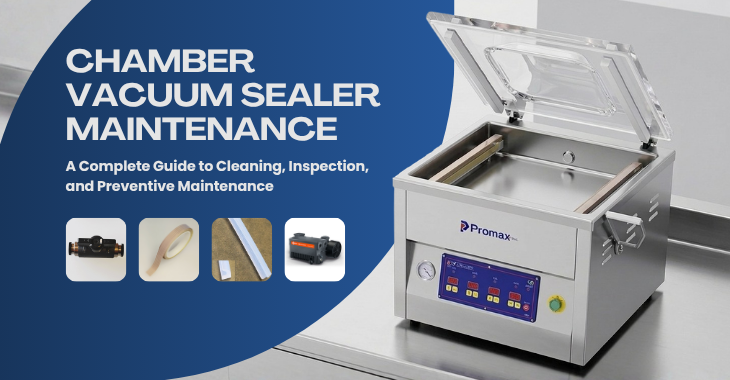
These considerations are important for packaging machinery as well as equipment used earlier in food production. For example, vacuum packaging machines require appropriate attention to chamber surfaces, lid gaskets, sealing components, and other areas exposed to food residues.
Regular inspection helps identify developing problems before they affect production or create unnecessary sanitation challenges.
Cleaning and Sanitation: An Essential Part of Equipment Maintenance
Cleaning and sanitation are related processes, but they do different jobs. Cleaning removes food residues, grease, and other unwanted material from surfaces. Sanitizing reduces microorganisms on appropriately cleaned surfaces to a level considered acceptable under the relevant procedure.
A sanitizer should not be treated as a substitute for effective cleaning. Food residues can interfere with the sanitation process, so the correct sequence and method are important.
Food manufacturers should develop cleaning procedures that reflect the equipment design, type of food processed, nature of the residues, and manufacturer’s recommendations. A procedure suitable for a dry-food application may not be appropriate for a machine handling sticky meat products or moisture-rich seafood.
Preparing Equipment for Cleaning
Before cleaning begins, employees should follow the machine’s shutdown instructions and determine which components require special handling. Where cleaning could expose workers to hazardous energy, the applicable energy-isolation procedure must be followed.
This is particularly important for machines containing moving belts, blades, heated sealing bars, or other components that could cause injury if activated unexpectedly.
The cleaning procedure should also identify which chemicals and cleaning methods are permitted. Some machines are designed for wet cleaning, while others may be damaged by excessive water, high-pressure washing, or unsuitable chemical exposure.
Removing Residues and Cleaning Surfaces
The cleaning method should match the food residue and the equipment’s construction. Fats, proteins, sauces, and dried food deposits may require different cleaning approaches, detergents, and mechanical action.
Employees should follow the specified chemical concentration, temperature, application method, and contact time. Using stronger chemicals than recommended does not necessarily improve cleaning and may damage equipment or create additional risks.
Where rinsing is required, it should be performed according to the cleaning procedure and chemical instructions. The goal is to remove the relevant residues without spreading contamination to already cleaned surfaces.
Sanitizing and Verifying Cleanliness
After effective cleaning, an appropriate sanitizer may be applied where required by the facility’s sanitation program. The product must be suitable for the application and used according to its instructions, including concentration and contact time.
Once the procedure is complete, the equipment should be inspected before production resumes. Depending on the facility’s requirements, verification may involve visual inspection, ATP testing, or microbiological testing.
Each method has limitations. For example, ATP testing can help identify residual biological material but does not directly establish that a surface is free of every pathogen. Verification should therefore be selected according to the risk being assessed.
Cleaning records, inspection results, and corrective actions help manufacturers monitor whether their sanitation procedures are being followed consistently.
Hygiene Considerations for Vacuum Packaging and Sealing Equipment
Packaging is an important stage in food manufacturing because the condition of the package can influence product protection, handling, and storage. However, packaging equipment must be maintained properly, and the use of vacuum or modified atmosphere packaging does not eliminate the need for appropriate food safety controls.
Vacuum packaging machines are used across meat, poultry, seafood, cheese, and other food applications. Their cleaning requirements depend on the design of the machine, the food being packaged, and the manufacturer’s instructions.
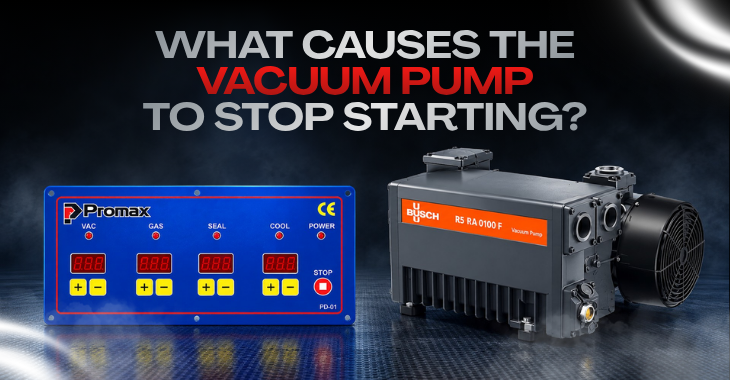
Chambers, sealing bars, gaskets, and nearby surfaces should be inspected for food residues and damage. Removable components should be cleaned as specified, while seals and other wear parts should be checked for deterioration. Vacuum pumps also require maintenance in accordance with the model’s operating instructions.
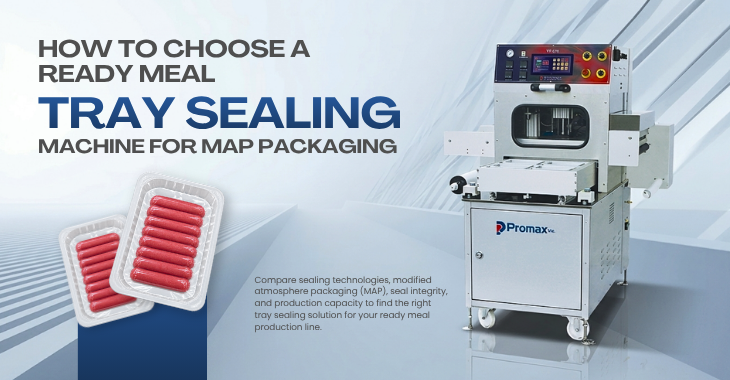
Tray sealing machines require attention to the areas where trays and packaging materials pass through the machine, as well as the relevant sealing components. Heated surfaces and moving parts introduce additional safety considerations during cleaning and maintenance.
Thermoforming packaging machines have their own requirements because forming areas, tooling, film paths, and product-handling areas may differ considerably between models. Their cleaning procedures should reflect the specific machine design and packaging application.
For manufacturers considering new packaging equipment, cleanability, access for maintenance, operating instructions, and the availability of compatible replacement parts should all be part of the evaluation process.
Choosing Food Processing Equipment With Hygiene and Safety in Mind
Selecting industrial food processing equipment involves more than comparing production rates and purchase prices. A machine must suit the product, the facility, the intended operating conditions, and the cleaning procedures that will be used throughout its service life.
Buyers should begin by defining their production requirements. The type of food, expected throughput, packaging format, operating environment, and cleaning method all influence the equipment specification.
They should then review the machine’s construction and documentation. Relevant questions include whether food-contact materials are suitable, whether critical areas can be accessed for cleaning, what maintenance the machine requires, and which safety features are provided.
Where a supplier claims compliance with a particular standard or certification, buyers should request supporting documentation for the specific model. They should also review the operating manual, sanitation instructions, maintenance schedule, and recommended spare parts.
Technical support matters as well. Access to appropriate replacement components and clear maintenance instructions can help a facility maintain equipment condition and reduce unnecessary downtime.
For food manufacturers comparing vacuum packaging machines, tray sealers, or thermoforming systems, these considerations should be evaluated alongside production capacity, packaging materials, and the requirements of the intended food application.
Maintaining Equipment Through Inspection and Preventive Maintenance
Even appropriately designed equipment requires regular inspection and maintenance. Over time, seals can deteriorate, components can wear, surfaces can become damaged, and operating conditions can change.
A preventive maintenance program should reflect the manufacturer’s recommendations, operating hours, environmental conditions, and the consequences of equipment failure. Inspections may include checking gaskets, examining product-contact surfaces, reviewing pump condition, and identifying defects that could affect safety or sanitation.
Maintenance activities must also be managed in a way that protects food from contamination. Tools, lubricants, replacement components, and maintenance debris should be controlled so they do not enter the product or contact surfaces.
After maintenance or equipment modification, the facility should assess whether additional cleaning, inspection, or verification is necessary before production resumes. Changes to equipment can introduce new contamination risks if the modified areas are not appropriately evaluated.
Documentation supports this process by recording inspections, completed maintenance, identified defects, and corrective actions. These records can help manufacturers identify recurring problems and make better decisions about equipment servicing or replacement.
Common Mistakes to Avoid When Managing Food Processing Equipment
One common mistake is assuming that equipment made from stainless steel is automatically hygienic. Material suitability matters, but the overall design, surface condition, and ability to clean the machine are equally important.
Another mistake is using a single cleaning method for every machine. Different products leave different residues, and equipment manufacturers may specify restrictions on water exposure, chemicals, or disassembly. Cleaning procedures should reflect those differences.
Ignoring damaged seals, gaskets, or product-contact surfaces can also create unnecessary risks. Small defects may become more difficult to manage if they are left uncorrected, so inspections should be part of routine operations.
Finally, manufacturers should not assume that a machine’s certification replaces the need for an effective sanitation program. Suitable equipment, proper installation, employee training, preventive maintenance, and documented procedures must work together.
Conclusion
Food processing equipment standards help manufacturers evaluate the hygiene, sanitation, and safety requirements associated with their production operations. Understanding applicable regulations and industry guidance allows businesses to make informed equipment decisions and establish procedures that support consistent manufacturing.
Hygienic design, suitable food-contact materials, effective cleaning, preventive maintenance, and appropriate machinery safeguards all contribute to a more reliable production environment. These considerations should be evaluated before equipment is purchased and maintained throughout its working life.
For manufacturers producing meat, poultry, seafood, cheese, and prepared foods, packaging equipment deserves the same attention as machinery used earlier in the production process. A machine must be suitable for its application, maintainable under real operating conditions, and supported by clear technical documentation.
Promarksvac manufactures industrial vacuum packaging and food processing equipment, including vacuum sealers, tray sealing machines, thermoforming packaging systems, and selected meat processing equipment. Businesses evaluating equipment for their production facilities can explore the available solutions and discuss their application requirements with the Promarksvac team.
Looking for industrial food packaging equipment for your operation? Visit Promarksvac or contact the team for an equipment inquiry to discuss your production needs.
Frequently Asked Questions
What standards apply to food processing equipment?
The applicable requirements depend on the equipment, food product, facility, and market. In the United States, relevant considerations may include FDA food regulations, applicable NSF/ANSI standards, industry hygienic design guidance, and workplace safety requirements.
What is hygienic design in food processing equipment?
Hygienic design means constructing equipment to support effective cleaning and reduce contamination risks. It includes suitable materials, accessible surfaces, appropriate connections, and design features that limit residue accumulation.
Is stainless steel always required for food processing machinery?
No. Stainless steel is widely used, but other materials may be suitable if they meet applicable food-contact requirements and withstand the intended operating and cleaning conditions.
How often should food processing equipment be cleaned?
Cleaning frequency depends on the food product, equipment design, contamination risks, production schedule, and applicable sanitation procedures. Manufacturers should establish appropriate cleaning schedules based on their specific operations.
Why is preventive maintenance important for food processing equipment?
Preventive maintenance helps identify worn components, damaged surfaces, leaks, and other defects that may affect equipment performance, cleanability, or worker safety. It also supports reliable operation and can reduce unplanned downtime.
What should manufacturers check before purchasing food packaging equipment?
Manufacturers should evaluate the machine’s intended application, food-contact materials, cleanability, safety features, technical documentation, applicable certification claims, maintenance requirements, and availability of support and replacement parts.