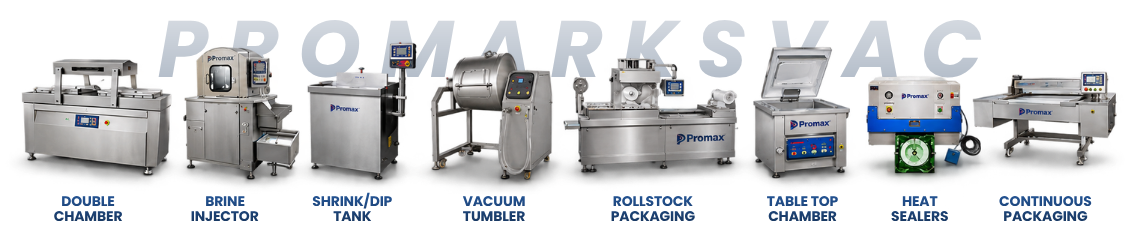
Purchasing an industrial vacuum sealer machine is an important decision for businesses involved in food processing, meat packaging, seafood production, dairy manufacturing, pharmaceuticals, medical supplies, and other industrial applications. As production requirements grow, businesses often look for reliable vacuum packaging equipment that can improve packaging efficiency, maintain product quality, and support consistent production.
One of the first questions buyers ask when researching industrial vacuum packaging equipment is: How much does an industrial vacuum sealer machine cost?
The answer depends on several factors. Industrial vacuum sealers are available in different designs, configurations, production capacities, and automation levels. A machine designed for a small-scale packaging operation will have different specifications and capabilities than equipment developed for a high-volume industrial production facility.
Understanding these differences can help businesses make informed purchasing decisions. Instead of focusing only on the initial investment, it is important to evaluate machine performance, construction quality, production requirements, maintenance needs, and long-term operational value.
In this guide, we will explore the factors that influence industrial vacuum sealer machine costs, the different types of equipment available, and what businesses should consider before purchasing an industrial vacuum packaging machine.
What Factors Affect the Cost of an Industrial Vacuum Sealer Machine?
The cost of an industrial vacuum sealer machine is influenced by its technical specifications, production capabilities, construction, and intended application. Understanding these factors helps buyers identify which equipment is appropriate for their packaging operations.
1. Type of Industrial Vacuum Sealer
The type of vacuum packaging machine is one of the most important factors affecting equipment selection and investment.
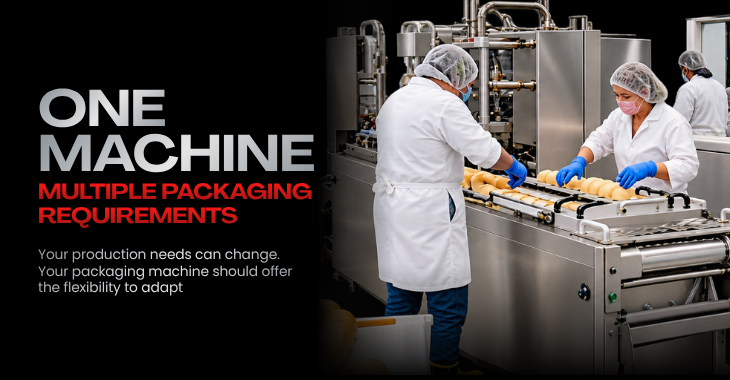
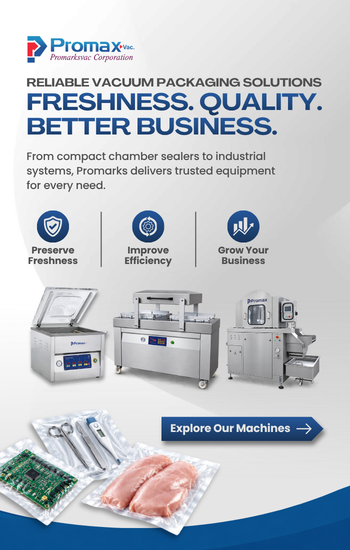
Industrial vacuum packaging equipment is available in several configurations, including chamber vacuum sealers, belt vacuum sealers, and rollstock packaging machines. Each machine type is designed for different production requirements.
Chamber vacuum sealers are commonly used for packaging meat, seafood, cheese, prepared foods, and other products. Belt vacuum sealers are designed for continuous packaging operations, making them suitable for businesses handling larger production volumes. Rollstock packaging machines integrate multiple packaging operations, including forming, filling, vacuuming, and sealing.
Because these machines perform different functions and offer different production capabilities, their engineering requirements and configurations also vary.
Businesses can explore the available industrial vacuum packaging machines from Promarksvac to compare different equipment categories and configurations.
For a better understanding of chamber vacuum sealing technology, read our guide on how chamber vacuum sealers work.
2. Production Capacity and Packaging Speed
Production capacity plays a major role when selecting industrial vacuum packaging equipment.
A business packaging a limited number of products each day may not require the same equipment as a large meat processing facility operating multiple production shifts.
Before purchasing a machine, businesses should evaluate their current packaging volume and expected production growth. Important considerations include the number of packages produced per hour, the size of individual products, required cycle times, and the number of operators involved in the packaging process.
Machines designed for higher production volumes may incorporate continuous operation capabilities, multiple sealing stations, automated product handling, and advanced controls.
For example, businesses handling high-volume packaging operations may consider Promarksvac’s belted type vacuum chamber sealers, which are designed for inline packaging applications.
Selecting equipment that matches actual production requirements helps businesses avoid investing in unnecessary capacity while ensuring that packaging operations can support future demand.
3. Machine Size and Chamber Dimensions
Machine dimensions and packaging chamber specifications also influence equipment selection.
Businesses handling large meat cuts, whole poultry, seafood portions, industrial components, or other oversized products may require larger packaging chambers or extended sealing configurations.
The sealing bar length is another important consideration. It determines the maximum package width that can be accommodated during the sealing process.
When evaluating an industrial vacuum sealer, buyers should consider:
- Maximum product dimensions.
- Chamber size and depth.
- Sealing bar length.
- Number of sealing bars.
- Package size and configuration.
- Available production floor space.
Choosing the appropriate machine dimensions ensures that products can be packaged efficiently without unnecessary limitations.
4. Automation and Control Systems
Automation is another factor that influences the specifications and overall investment required for an industrial vacuum packaging machine.
Basic equipment may require more manual involvement, while advanced industrial machines can incorporate programmable controls, touchscreen interfaces, automated product handling, and integrated packaging processes.
Modern control systems allow operators to manage important packaging parameters, including vacuum settings, sealing time, cooling time, and other cycle functions.
For businesses handling different products or packaging materials, programmable settings can help maintain consistency between production runs.
Fully automated packaging systems can also reduce repetitive manual tasks and support higher production efficiency. However, the appropriate automation level depends on the business’s production requirements, available workforce, and operational goals.
5. Vacuum Pump Specifications
The vacuum pump is an essential component of an industrial vacuum packaging machine.
Its capacity and performance influence how effectively air is removed from the packaging chamber or product package during the vacuum cycle.
Different packaging applications may require different vacuum pump specifications. Product characteristics, package dimensions, desired cycle times, and production volume should all be considered when evaluating pump requirements.
For industrial operations, businesses should also consider pump accessibility, maintenance requirements, service availability, and the availability of replacement components.
Promarksvac incorporates Busch vacuum pump technology in its applicable vacuum packaging equipment, supporting dependable performance in demanding packaging environments.
6. Machine Construction and Material Quality
Industrial vacuum packaging machines are designed to operate in demanding production environments. Construction quality is therefore an important consideration.
Many food processing applications require stainless steel construction because of its durability, cleanability, and suitability for hygienic production environments.
Other important construction considerations include frame strength, sealing components, electrical systems, chamber design, and the quality of mechanical components.
Businesses should also evaluate the machine’s suitability for their operating environment, particularly when equipment will be exposed to frequent cleaning, moisture, or intensive production schedules.
Investing in properly engineered industrial equipment can help reduce operational disruptions and support long-term reliability.
7. Additional Features and Customization
Some industrial vacuum packaging machines offer additional features designed to support specific packaging requirements.
Depending on the machine model and configuration, these may include:
- Programmable touchscreen HMI controls.
- Multiple sealing stations.
- Adjustable vacuum and sealing parameters.
- Conveyor systems.
- Specialized packaging configurations.
- Automated forming and filling operations.
- Application-specific machine configurations.
Businesses should identify which features are essential for their packaging operations rather than selecting equipment based on specifications they may never use.
A machine configured around actual production requirements can provide better operational value over time.
Different Types of Industrial Vacuum Sealer Machines
Understanding the available machine types is essential before requesting a quotation. Different industrial vacuum sealers are designed to handle different products, packaging materials, and production volumes.
Chamber Vacuum Sealers
Chamber vacuum sealers are widely used across food processing and industrial packaging operations.
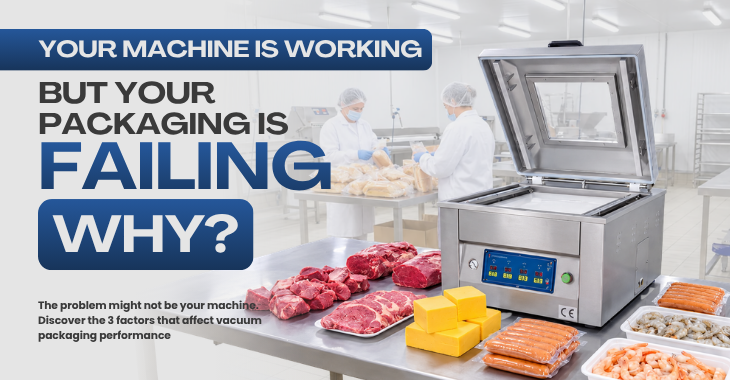
During operation, the product is placed inside a vacuum chamber, and air is removed before the package is sealed. This process helps reduce the amount of oxygen remaining inside the package.
Chamber vacuum sealers are commonly used for:
- Meat and poultry products.
- Seafood and fish.
- Cheese and dairy products.
- Prepared and processed foods.
- Medical and pharmaceutical products.
- Selected non-food industrial applications.
Promarksvac offers different chamber vacuum sealer configurations designed to accommodate varying product dimensions and packaging requirements.
Businesses can explore our single chamber vacuum sealers and double chamber vacuum sealers to compare available options.
The right configuration depends on the required production volume, chamber dimensions, and packaging workflow.
For additional guidance, read our article: Which Vacuum Sealer Should You Choose? Single or Double Chamber?.
Belt Vacuum Sealers
Belt vacuum sealers are designed for businesses that require continuous or high-volume packaging operations.
Unlike traditional chamber machines that require individual loading and unloading cycles, belt vacuum sealers use a conveyor-based system to move products through the packaging process.
This configuration can support improved packaging throughput and reduce manual handling in suitable production environments.
Belt vacuum sealers are commonly used in meat processing, seafood packaging, and other industrial applications where production volume and packaging consistency are important.
When evaluating a belt vacuum sealer, businesses should consider conveyor speed, sealing capabilities, product dimensions, packaging requirements, and integration with existing production lines.
Explore Promarksvac’s belted type vacuum chamber machines to learn more about available equipment and configurations.
Rollstock Vacuum Packaging Machines
Rollstock machines are designed for more integrated packaging operations.
These systems can combine several packaging stages, including forming the bottom film, loading the product, creating a vacuum, sealing the top film, and cutting individual packages.
They are commonly used in food manufacturing operations that require consistent package presentation and higher levels of production automation.
Rollstock packaging machines are available in different configurations depending on production requirements, film specifications, package dimensions, and forming depth.
For manufacturers looking to integrate multiple packaging stages into one production system, rollstock technology can be an important consideration.
Promarksvac offers several industrial rollstock packaging machines designed for different packaging applications.
You can also read our detailed guide on how rollstock vacuum packaging works to understand the complete packaging process.
How Production Requirements Influence Your Equipment Investment
Choosing an industrial vacuum sealer should begin with understanding your production requirements.
A machine that performs well for one business may not be appropriate for another, even when both companies package similar products.
For example, a small food processing business may require a chamber vacuum sealer for regular packaging operations. A large meat processing facility may need a continuous belt vacuum sealer to support higher production volumes. A manufacturer producing retail-ready packaged food products may benefit from an automated rollstock packaging system.
Before selecting equipment, consider the following operational requirements.
Daily Production Volume
Estimate how many packages your business needs to produce during each shift. Consider both current production and expected growth.
Product Characteristics
Product size, shape, moisture content, and handling requirements can influence machine selection.
Packaging Materials
Determine which packaging bags, films, or other materials are compatible with the equipment. You can also explore vacuum sealer bags and packaging materials for compatible packaging options.
Available Production Space
Consider machine dimensions, operator access, loading requirements, and integration with existing production lines.
Automation Requirements
Evaluate how much manual involvement is acceptable and whether automated packaging operations could improve production efficiency.
Future Expansion
Consider whether your business expects to increase production capacity or introduce additional product lines.
Taking these factors into account helps ensure that the selected equipment meets both current and future packaging requirements.
Additional Costs to Consider When Buying Industrial Vacuum Packaging Equipment
The initial purchase of an industrial vacuum sealer is only one part of the overall investment.
Businesses should also consider the operating and maintenance requirements associated with industrial packaging equipment. Evaluating these factors before purchasing can help avoid unexpected expenses and improve long-term equipment planning.
Installation and Setup
Depending on the machine configuration, installation may require electrical connections, positioning, production line adjustments, and other preparation work.
Businesses should confirm installation requirements with the manufacturer before arranging equipment delivery.
Operator Training
Proper operator training is important for maintaining consistent packaging quality and using equipment safely.
Operators should understand machine controls, operating procedures, cleaning requirements, and basic troubleshooting.
Packaging Materials
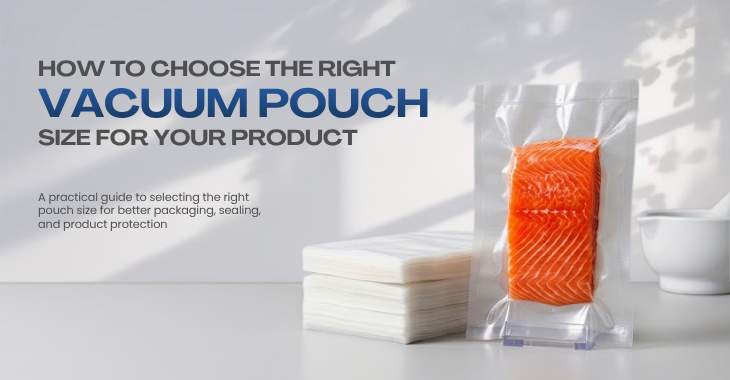
Vacuum packaging machines require compatible packaging bags or films.
The selection of packaging materials depends on the machine type, product characteristics, storage requirements, and desired package appearance.
Businesses should verify material compatibility before purchasing packaging supplies.
Maintenance and Replacement Parts
Regular maintenance helps maintain machine performance and reduce the likelihood of unexpected downtime.
Maintenance requirements may include inspecting sealing components, checking electrical connections, servicing vacuum pumps, and replacing worn parts when necessary.
Access to genuine replacement parts and technical support is another important consideration when choosing an industrial vacuum sealer manufacturer.
For practical maintenance guidance, read our chamber vacuum sealer maintenance guide, which explains cleaning, inspection, and preventive maintenance requirements.
Technical Support and Warranty
Reliable after-sales support can make a significant difference in long-term equipment ownership.
Before purchasing, businesses should understand the manufacturer’s warranty coverage, available technical assistance, replacement parts support, and maintenance recommendations.
These services can help businesses maintain consistent production and address equipment issues more efficiently.
How to Choose the Right Industrial Vacuum Sealer for Your Business
Selecting the right industrial vacuum sealer requires more than comparing machine specifications. Businesses should evaluate how the equipment will perform within their actual packaging operations.
Start by identifying the products you intend to package and the packaging format required for each product. Determine the production volume, package dimensions, and desired level of automation.
Next, compare the available machine configurations. Chamber vacuum sealers, belt vacuum sealers, and rollstock packaging machines serve different purposes, so selecting the correct technology is essential.
It is also important to work with a manufacturer that understands your industry and can recommend equipment based on your production requirements.
Before making a purchasing decision, consider the following checklist:
- Does the machine support your product dimensions?
- Can it accommodate your required packaging materials?
- Does its production capacity match your daily requirements?
- Is the automation level appropriate for your operation?
- Are the machine specifications suitable for your working environment?
- Does the manufacturer provide warranty and technical support?
- Are replacement parts and maintenance services accessible?
- Can the equipment accommodate future production growth?
Taking the time to evaluate these requirements can help businesses make a more informed equipment investment.
For another perspective on the long-term business benefits of vacuum packaging, explore our article on how vacuum sealing can boost your business and save money.
Why Buy Industrial Vacuum Packaging Equipment from Promarksvac?
Choosing the right manufacturer is just as important as selecting the right machine.
Promarksvac Corp. has been serving the vacuum packaging and food processing equipment industry since 1989. The company provides industrial packaging solutions for businesses across food and non-food industries, including meat processing, seafood, dairy, prepared foods, medical, pharmaceutical, and other manufacturing applications.
With manufacturing and engineering capabilities in the United States and Taiwan, Promarksvac supplies industrial vacuum packaging equipment to customers across more than 50 countries.
Its equipment range includes chamber vacuum sealers, belt vacuum sealers, rollstock packaging machines, and other specialized packaging and food processing equipment.
Equipment Designed for Different Production Requirements
Promarksvac offers multiple machine configurations to support businesses with different packaging needs.
Whether a company requires a chamber vacuum sealer for everyday packaging operations, a belt vacuum sealer for continuous production, or a rollstock machine for integrated packaging processes, selecting equipment based on actual application requirements is essential.
Explore the complete Promarksvac industrial packaging equipment range to find equipment suited to different production requirements.
Manufacturing Quality and Reliability
Industrial packaging equipment must withstand demanding operating conditions.
Promarksvac focuses on machine engineering, dependable components, and industrial-grade construction to support consistent packaging operations.
Applicable equipment also incorporates recognized industry components and certifications, depending on the machine model and configuration.
Warranty and Technical Support
Long-term equipment ownership requires access to reliable support.
Promarksvac provides customer assistance, parts support, and equipment-related guidance to help customers maintain their packaging operations.
The company also offers a five-year frame warranty on applicable equipment, providing additional confidence in machine construction.
Serving Businesses Around the World
Promarksvac supplies industrial vacuum packaging and food processing equipment to customers across international markets.
Its experience working with different industries and packaging applications helps the company understand the operational requirements of businesses ranging from growing food manufacturers to established industrial production facilities.
Get a Quote for an Industrial Vacuum Sealer Machine
If you are researching how much an industrial vacuum sealer machine costs, the most useful starting point is identifying the equipment that matches your production requirements.
Machine type, packaging capacity, automation, product dimensions, vacuum pump specifications, and additional features all influence the equipment configuration and overall investment.
Rather than choosing a machine based only on general specifications, discuss your application with an experienced manufacturer.
Promarksvac can help businesses evaluate their packaging requirements and identify suitable industrial vacuum packaging equipment for their operations.
Whether you are looking for a chamber vacuum sealer, belt vacuum sealer, rollstock packaging machine, or another industrial packaging solution, the Promarksvac team can help you explore the available options.
Looking for an industrial vacuum sealer for your business?
Contact Promarksvac today to discuss your packaging requirements and request a customized equipment quotation.
Request a Quote from Promarksvac
Frequently Asked Questions About Industrial Vacuum Sealer Machines
1. How much does an industrial vacuum sealer machine cost?
The cost of an industrial vacuum sealer machine depends on several factors, including machine type, production capacity, chamber dimensions, automation level, vacuum pump specifications, and additional features.
Because industrial vacuum packaging machines are available in different configurations, the most suitable equipment and its investment requirements depend on the specific application. Contacting a manufacturer for a quotation based on your production requirements is the best way to identify the appropriate equipment.
2. Why do industrial vacuum sealer machine costs vary?
Industrial vacuum sealer costs vary because machines are designed for different applications and production requirements. Differences in construction, sealing capacity, vacuum pump performance, automation, machine dimensions, and additional features can influence the overall investment.
3. Which industrial vacuum sealer is best for a food processing business?
The best machine depends on the product, packaging format, and production volume. Chamber vacuum sealers are suitable for many general food packaging applications, while belt vacuum sealers can support continuous production. Rollstock machines are useful for integrated, automated packaging operations.
4. What is the difference between a chamber vacuum sealer and a belt vacuum sealer?
A chamber vacuum sealer packages products inside an enclosed chamber through individual vacuum and sealing cycles. A belt vacuum sealer uses a conveyor-based system to move products through continuous packaging operations. Both serve different production requirements.
5. Are industrial vacuum sealers suitable for non-food products?
Yes. Industrial vacuum packaging equipment can be used for selected non-food applications, including certain medical, pharmaceutical, textile, and industrial products. The appropriate machine and packaging material depend on the product’s characteristics and packaging requirements.
6. What should I consider before buying an industrial vacuum packaging machine?
Important considerations include production volume, product dimensions, packaging materials, machine type, automation requirements, construction quality, maintenance needs, warranty coverage, and technical support.
7. Is it better to buy an industrial vacuum sealer directly from a manufacturer?
Buying directly from a manufacturer can provide access to equipment expertise, technical specifications, application recommendations, and direct communication about machine configurations. Businesses should also evaluate warranty coverage, parts availability, and after-sales support.
8. How can I get a quotation for an industrial vacuum sealer machine?
You can request a quotation by sharing your product type, packaging requirements, estimated production volume, package dimensions, and preferred level of automation with the manufacturer. This information helps the sales team recommend suitable equipment for your application.
Contact Promarksvac to discuss your industrial vacuum packaging requirements.