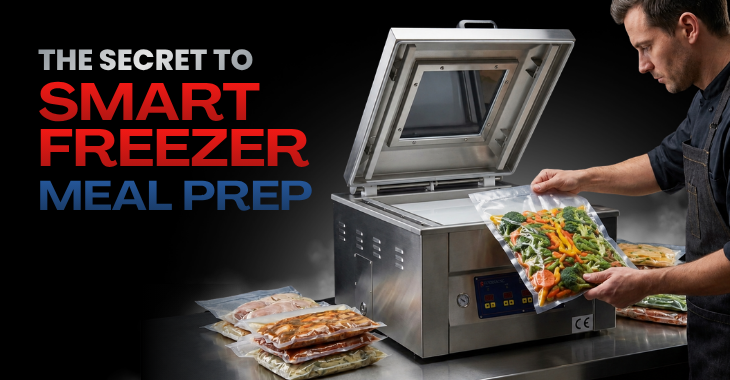
Freezer meal prep has become one of the most practical habits for modern households. Between busy work schedules, rising grocery prices, school routines, fitness goals, and the constant pressure of cooking every single day, more families are trying to prepare meals ahead of time and store them for later use. At first, the idea sounds simple enough: cook meals in batches, place them in the freezer, and enjoy quick homemade food whenever needed. But many people quickly discover that freezing food and preserving food properly are two very different things.
If you’ve ever pulled frozen chicken from the freezer only to notice dry white patches, strange odors, excess ice crystals, or disappointing flavor after reheating, you’ve already experienced the limitations of ordinary freezer storage. The truth is that traditional plastic containers and standard freezer bags are often not enough to protect food quality for long periods. Air trapped inside the packaging slowly damages the food, even while it remains frozen. Texture changes, moisture escapes, freezer burn develops, and meals gradually lose the freshness they had when first prepared.
This is exactly why vacuum sealers have become increasingly popular in home kitchens. What was once considered equipment mostly used in commercial food processing or professional kitchens is now becoming one of the most useful appliances for homeowners focused on meal prep, food preservation, and reducing waste. A good vacuum sealer doesn’t just store food longer. It changes the entire freezer meal prep experience by helping meals stay fresher, more organized, better tasting, and far more convenient for everyday life.
For many families, the difference becomes noticeable almost immediately after switching from ordinary freezer bags to vacuum-sealed storage.
What Is a Vacuum Sealer and How Does It Work?
A vacuum sealer is a machine designed to remove air from specially designed bags or containers before sealing them tightly. Once most of the oxygen is removed, the machine creates an airtight seal around the food. This process dramatically slows down the factors that normally cause frozen food to lose quality over time.
Air is one of the biggest enemies of long-term food storage. Oxygen contributes to freezer burn, moisture loss, bacterial growth, odor transfer, and flavor deterioration. Even inside a freezer, food continues to react to the surrounding air if it is not properly protected. This is why frozen food often changes texture or develops unpleasant tastes after several weeks or months in standard packaging.
Vacuum sealing minimizes those problems by creating a controlled storage environment around the food. Instead of exposing meals to circulating freezer air, the food stays tightly protected inside an airtight barrier. As a result, the meals maintain better flavor, better texture, and a much fresher overall quality.
For homeowners who regularly prepare meals in advance, the difference can feel surprisingly dramatic.
Why Freezer Meal Prep Often Fails Without Proper Food Storage
A lot of people start freezer meal prep with good intentions. They dedicate an afternoon to cooking healthy meals, portioning ingredients, preparing marinated meats, organizing vegetables, and filling the freezer with ready-to-use dishes for the upcoming weeks. Initially, everything feels productive and organized. Meal prep saves time, reduces cooking stress, and creates a sense of control during busy schedules.
However, problems usually begin appearing after some time in the freezer.
Chicken breasts become dry and rubbery. Ground beef starts tasting stale. Frozen vegetables lose their color and texture. Prepared meals develop excess ice crystals inside containers. Even carefully cooked recipes begin tasting “old” after sitting in the freezer for too long. In many cases, the meals become so unappetizing that people eventually throw them away.
The main reason behind these problems is trapped air.
Traditional storage bags and ordinary plastic containers still contain oxygen inside them, even when sealed. Over time, this trapped air slowly damages the food. Moisture escapes from the surface, ice crystals begin forming, and freezer burn develops. The longer the food stays exposed to oxygen, the worse the quality becomes.
This is why many people become frustrated with freezer meal prep. They assume freezing simply ruins food quality, when in reality the issue is often poor storage methods rather than freezing itself.
Vacuum sealing changes this experience entirely because it addresses the root problem directly.
How Vacuum Sealing Prevents Freezer Burn
Freezer burn is one of the most common frustrations in frozen food storage. Although frozen food affected by freezer burn is usually still safe to eat, the quality becomes significantly worse. Meat may become dry and leathery, vegetables may lose their texture, and prepared meals often develop unpleasant flavors.
Freezer burn occurs when moisture escapes from the surface of food and evaporates into the surrounding freezer air. This creates dehydrated areas and ice crystal buildup on the food surface. Standard freezer bags offer limited protection because air remains trapped inside the packaging.
A vacuum sealer helps prevent freezer burn by removing most of that air before storage. Without oxygen circulating around the food, moisture loss is dramatically reduced. Meals stay protected from the harsh freezer environment, helping preserve both flavor and texture for a much longer time.
For people who regularly freeze meat, seafood, prepared meals, or vegetables, this alone can make vacuum sealing worth the investment.
Many homeowners notice that vacuum-sealed chicken still tastes fresh months later, while traditionally stored chicken often becomes dry and unpleasant much sooner.
Why Vacuum-Sealed Meals Taste Better After Reheating
One of the biggest surprises people experience after using a vacuum sealer is how much better frozen meals taste after reheating. This difference is not just psychological. Proper food preservation genuinely helps maintain moisture, flavor, and texture over time.
When food is exposed to air inside the freezer, flavors slowly deteriorate. Spices lose intensity, sauces lose richness, and meats begin tasting stale. Moisture also escapes from the food surface, which is why reheated frozen meals often become dry or chewy.
Vacuum sealing helps lock moisture and flavor inside the food from the moment it is stored. Because the food remains protected from oxygen exposure, the original freshness is preserved much more effectively. Soups remain richer, marinated meats retain their seasoning, and vegetables hold their texture better after cooking.
This is especially important for people who spend time carefully preparing healthy homemade meals. Nobody wants to spend hours meal prepping only to end up with disappointing freezer food later.
Vacuum sealing helps preserve the quality of the effort itself.
Why Homeowners Are Using Vacuum Sealers More Than Ever
In recent years, home vacuum sealers have become far more common in everyday kitchens. Several lifestyle trends are contributing to this growing popularity.
The first reason is rising food costs. Families are becoming more careful about food waste because groceries are significantly more expensive than they used to be. Throwing away spoiled leftovers or freezer-burned meat feels financially frustrating, especially for larger households.
The second reason is the growth of meal prep culture. More people are preparing weekly meals ahead of time for convenience, fitness goals, or healthier eating habits. Vacuum sealing naturally fits into this lifestyle because it allows prepared meals to stay fresh longer.
Bulk grocery shopping is another major factor. Warehouse stores and wholesale food suppliers encourage consumers to purchase larger quantities at lower prices. Without proper storage methods, however, bulk shopping can actually lead to more waste. Vacuum sealers allow homeowners to portion large purchases into smaller meal-sized packages for long-term storage.
Many families also appreciate the convenience aspect. Having ready-to-cook meals available in the freezer reduces the stress of daily cooking decisions. Instead of scrambling to prepare dinner after a long workday, meals can already be prepared, portioned, and safely stored.
For busy households, this can completely change how the kitchen functions on a daily basis.
The Financial Benefits of Using a Vacuum Sealer at Home
A lot of people initially hesitate to buy a vacuum sealer because they see it as an extra kitchen appliance. However, many users eventually realize that the machine helps save money over time.
Food waste is expensive. Throwing away spoiled meat, stale leftovers, damaged frozen vegetables, or freezer-burned meals adds up surprisingly quickly over the course of a year. Vacuum sealing extends food storage life significantly, allowing households to preserve groceries more effectively instead of discarding them.
This becomes especially valuable for families that buy meat in bulk. Instead of worrying about large quantities spoiling before use, portions can be vacuum sealed individually and frozen safely for future meals.
For example, when chicken, beef, or seafood goes on sale, homeowners can purchase larger amounts at discounted prices, divide them into meal portions, vacuum seal them, and store them for months without sacrificing quality.
The savings become even more noticeable for households with children, fitness-focused meal plans, or large weekly grocery bills.
Over time, many people find that the vacuum sealer pays for itself simply through reduced food waste alone.
Why Vacuum Sealing Makes Meal Prep More Organized
Another major advantage of vacuum sealing is organization. Traditional food containers often take up large amounts of freezer space, making meal prep difficult to manage over time. Freezers quickly become cluttered, containers stack poorly, and forgotten leftovers disappear into the back of the freezer for months.
Vacuum-sealed bags solve many of these issues because they are compact and flexible. Instead of bulky containers, meals can be stacked neatly, labeled easily, and organized efficiently by category or date.
Many people organize vacuum-sealed meals by:
- Weekly meal plans
- Protein type
- Family portions
- Fitness goals
- Cooking instructions
Because the bags lay flat, they also freeze faster and thaw more evenly. This improves both storage efficiency and meal convenience.
For people with limited freezer space, vacuum sealing can dramatically increase storage capacity while keeping everything easier to manage.
Best Foods for Vacuum Sealed Freezer Meal Prep
While almost any freezer-safe food can benefit from vacuum sealing, some foods show especially noticeable improvements in quality and storage life.
Proteins are among the most common vacuum-sealed foods because meat is highly vulnerable to freezer burn. Chicken breasts, steaks, ground beef, fish, shrimp, and marinated meats all maintain much better quality when vacuum sealed properly.
Prepared meals also perform extremely well. Soups, curries, pasta dishes, chili, casseroles, and cooked rice meals can all be portioned and preserved efficiently for future use.
Vegetables are another popular category. When properly prepared and vacuum sealed, vegetables maintain better texture and color compared to ordinary freezer storage.
Even dry foods benefit from vacuum sealing. Many people use vacuum sealers for coffee beans, nuts, cereal, flour, rice, and snacks because airtight storage helps preserve freshness longer.
For homeowners who enjoy stocking up during grocery sales or seasonal harvests, vacuum sealing becomes incredibly practical.
Vacuum Sealing and Modern Healthy Living
Healthy eating habits are another reason vacuum sealers are becoming more common in home kitchens.
Many people struggle with consistent healthy eating because cooking every single day becomes exhausting. Meal prep solves part of this problem, but only when meals remain enjoyable after freezing and reheating.
Vacuum sealing helps healthy meals maintain better quality over time, making it easier to stick with nutrition goals. Instead of relying on takeout or processed frozen dinners, homeowners can prepare homemade meals in advance and store them properly.
Fitness enthusiasts often use vacuum-sealed meal prep for:
- Portion-controlled meals
- High-protein diets
- Bulk cooking routines
- Weekly nutrition planning
Busy parents also benefit because prepared meals reduce daily kitchen stress while helping maintain healthier eating habits for the entire household.
Is a Vacuum Sealer Worth It for Small Families?
Some people assume vacuum sealers are only useful for large households, but smaller families and even single individuals often benefit significantly as well.
In smaller households, leftovers are more common because recipes frequently produce more food than needed for one or two people. Without proper storage, those leftovers may spoil before being eaten.
Vacuum sealing allows smaller portions to be preserved safely for future meals instead of going to waste.
Couples, students, elderly homeowners, and busy professionals often appreciate the convenience of batch cooking once and storing meals for later use. It reduces cooking frequency while keeping homemade food readily available.
For many people, the convenience alone becomes one of the biggest reasons they continue using their vacuum sealer regularly.
Final Thoughts
A vacuum sealer does much more than simply remove air from a bag. It improves the entire freezer meal prep process by helping food stay fresher, taste better, last longer, and remain more organized over time.
For homeowners trying to save money, reduce waste, simplify cooking, or maintain healthier eating habits, vacuum sealing offers practical everyday benefits that quickly become noticeable. Meals maintain better texture, freezer burn becomes far less common, groceries last longer, and meal prep feels significantly more efficient.
What surprises many people is how quickly vacuum sealing becomes part of their normal kitchen routine. Once families experience the difference in food quality and convenience, going back to ordinary freezer storage often feels frustrating.
As meal prep continues growing in popularity and more households focus on smarter food preservation, vacuum sealers are becoming one of the most valuable tools in modern home kitchens.
For anyone serious about freezer meal prep, investing in a quality home vacuum sealer is not just about food storage. It’s about making everyday life easier, more organized, and far less wasteful.