
-
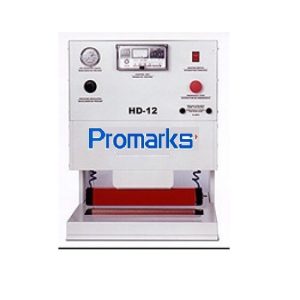
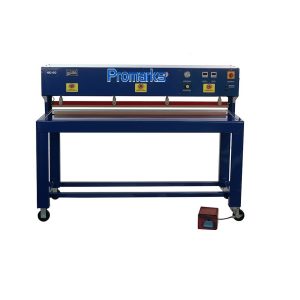
Contour & Heavy Duty Table Top Heat Sealers
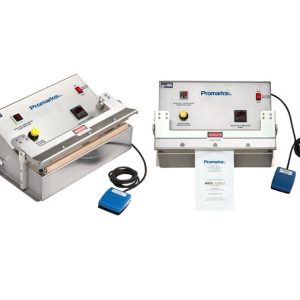
Promarks offers a premium line of benchtop heat sealers designed for efficiency, consistency, and durability. Our Contour and Heavy-Duty Tabletop Heat Sealers are perfect for industries requiring precise sealing, such…
-
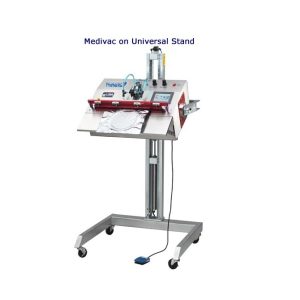
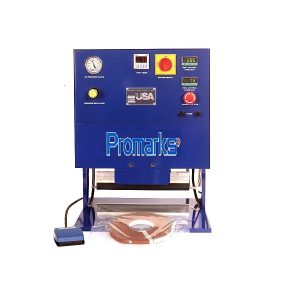
Medical Vacuum Sealer
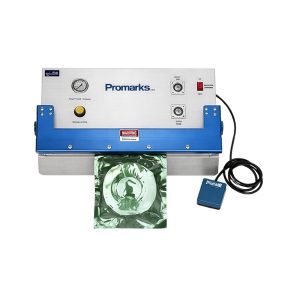
This advanced medical vacuum sealer is engineered for precise, reliable performance in sterile packaging applications. As a high-accuracy medical vacuum pouch sealer and heat vacuum sealer, it features PLC control…
-
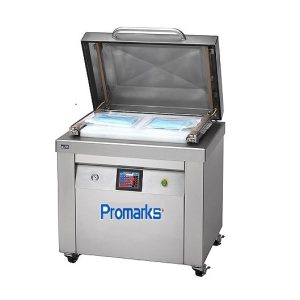
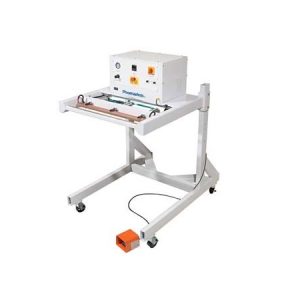
Medical PLC/HMI Vacuum Chamber Sealer
This commercial vacuum sealer is equipped with a Busch Vacuum Pump – the industry’s leading solution for powerful and consistent vacuum packaging. Known for their reliability and low maintenance, Busch…
-
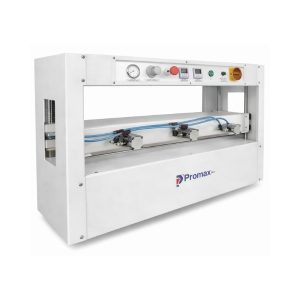
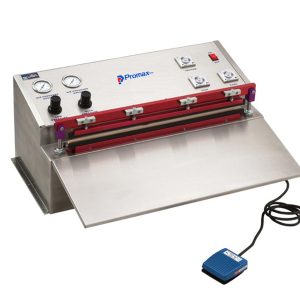
Tube Sealer – Heat Sealing Machine
Out of Stock
The Promarks Heat PTS-36 Production Tube Sealer features a worm gear system for rapid/precise adjustment from the smallest tubes to the largest tubes. Heat and cooling cycles are…
Heat Sealer - Commercial Sealing Machine
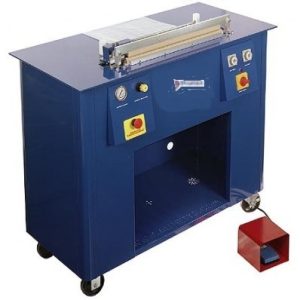
Best Heat Sealers - Industrial Heat Sealing Machines
Commercial Sealing Machine - Inquiry Form
Heat Sealer Machines for Commercial & Industrial Packaging
In any packaging environment, sealing is more than just the final step it’s the point where product safety, presentation, and shelf life are secured. A weak or inconsistent seal can lead to leakage, contamination, and unnecessary product loss. That’s why choosing the right heat sealer machine is critical for businesses that care about quality and efficiency. At Promarks, we understand the demands of real production floors. Our range of heat sealing machines and commercial heat sealers is designed to deliver consistent performance across food, medical, and industrial applications. Whether you are running a small packaging setup or a large-scale operation, having reliable heat sealing equipment ensures your products remain protected from the moment they are sealed to the moment they reach your customer.
What is a Heat Sealer Machine?
A heat sealing machine, often referred to as a heat seal machine or thermal sealing machine, is used to bond thermoplastic materials like plastic bags, films, and pouches using controlled heat and pressure. The process is straightforward, but highly effective. Heat softens the packaging material, pressure fuses the layers together, and a secure seal is formed. This creates an airtight closure that protects the contents from moisture, air exposure, and external contamination. Because of its reliability, heat seal packaging machines are widely used across industries where product integrity is non-negotiable.
The Role of Heat Sealing Equipment in Modern Packaging
The global heat sealing equipment market continues to grow as industries demand higher standards in packaging quality, hygiene, and efficiency. Today’s heat sealing machinery is expected to do more than just seal it must perform consistently under pressure, adapt to different materials, and integrate smoothly into production lines. Businesses are no longer looking for just a basic heat sealer. They need industrial heat sealing machines that can operate continuously, reduce downtime, and maintain seal integrity across thousands of cycles. This shift has made advanced heat seal machinery an essential part of modern packaging operations.
Types of Heat Sealer Machines
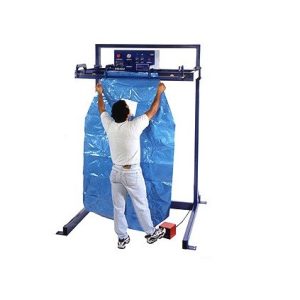
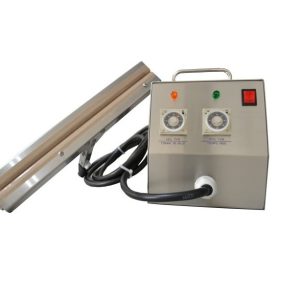
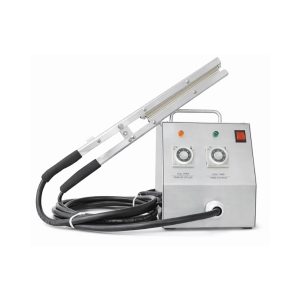
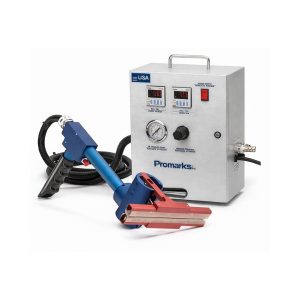
Different applications require different types of heat seal machines, and understanding these differences helps businesses make smarter investments. An impulse heat sealer is commonly used for light to medium-duty applications. It only generates heat during the sealing cycle, which makes it energy-efficient and safe for everyday use. This type of plastic heat sealer machine is ideal for sealing polyethylene and polypropylene bags and is widely used in retail and small production environments. On the other hand, a constant heat and seal machine maintains continuous heat, making it suitable for thicker or multi-layer materials such as laminated films and foil pouches. For businesses dealing with heavy-duty packaging, this type of thermal sealer machine provides stronger and more durable seals. For high-volume operations, continuous band sealers are often the preferred choice. These industrial bag sealers allow uninterrupted sealing, ensuring faster production speeds and consistent results across large batches. In facilities where efficiency is critical, investing in this level of heat sealing equipment can significantly improve output. Automated systems, including auto heat sealers, take efficiency even further by reducing manual intervention. These machines are ideal for production lines that require speed, accuracy, and repeatability.
Applications Across Industries
One of the biggest advantages of heat sealing machines is their versatility. They are used across multiple industries, each with its own set of requirements. In the food industry, commercial heat sealers are used for packaging meat, poultry, seafood, dairy, and dry goods. Proper sealing helps maintain hygiene and extends product shelf life. In medical and pharmaceutical environments, medical heat sealers and cleanroom heat sealers are essential for sealing sterile pouches where contamination must be avoided at all costs. Industrial sectors rely on industrial heat sealing machines to secure bulk materials, components, and protective packaging. Even in retail and e-commerce, a simple heat seal machine plays a crucial role in ensuring products are securely packed before shipping.
Heat Sealer vs Vacuum Sealer
While both machines are used in packaging, they serve different purposes. A heat sealer machine focuses purely on sealing the packaging, while a vacuum sealer removes air before sealing. If your goal is to close packaging securely and efficiently, a heat sealer is the right solution. For applications where air removal is required such as food preservation vacuum sealing systems are used alongside heat sealing.
Key Features to Look For
A high-quality industrial heat sealer should offer more than just basic functionality. It should be built for durability, ease of use, and consistent performance over time. Look for machines that provide stable sealing pressure, adjustable temperature controls, and compatibility with various materials. Reliable heat sealing machinery should also be easy to clean and maintain, especially in food and medical environments. Advanced models of heat seal equipment may include automatic operation, digital controls, and customizable sealing options to suit specific production needs.
Choosing the Right Heat Sealing Machine
Selecting the right heat sealing machine depends on several practical factors. The type of material you use plays a major role, as thin plastics require different sealing methods compared to thick or laminated films. Production volume is another important consideration. Small operations may function well with manual machines, while larger facilities benefit from automated or industrial heat sealing machines. Seal size, strength, and the level of automation required should also be evaluated carefully. Investing in the right commercial sealing machine ensures long-term efficiency and reduces operational issues.
Why Businesses Invest in Industrial Heat Sealers
As businesses grow, their packaging needs evolve. Many companies start with basic heat sealers, but quickly realize the need for more robust solutions. Upgrading to industrial heat seal machinery helps improve consistency, reduce product waste, and increase production speed. Over time, this leads to better product presentation, improved customer satisfaction, and lower operational costs. A reliable heat sealing machine is not just a tool it’s a critical part of your packaging process.
Frequently Asked Questions (FAQs)
What is a heat sealer machine used for?
A heat sealer machine is used to seal plastic bags, films, and pouches using heat and pressure to create a secure and airtight closure.
What is the difference between a heat sealer and a heat sealing machine?
There is no major difference. Both terms refer to equipment used for sealing materials using heat.
Which heat sealing machine is best for industrial use?
An industrial heat sealing machine or continuous band sealer is best for high-volume production and heavy-duty applications.
What materials can a heat seal machine handle?
Most heat seal machines can handle polyethylene, polypropylene, laminated films, and foil pouches, depending on the machine type.
Are heat sealers suitable for food packaging?
Yes, commercial heat sealers are widely used in food packaging to maintain hygiene and extend shelf life.
What is a medical heat sealer?
A medical heat sealer is designed for sterile packaging applications, ensuring contamination-free sealing in healthcare environments.
What is an auto heat sealer?
An auto heat sealer is a machine that automates the sealing process, reducing manual effort and increasing production efficiency.
How do I choose the right heat sealing equipment?
You should consider material type, production volume, seal size, and required automation level when selecting the right machine.