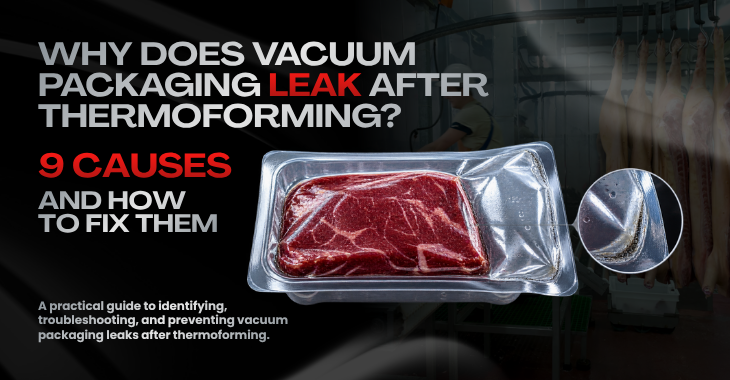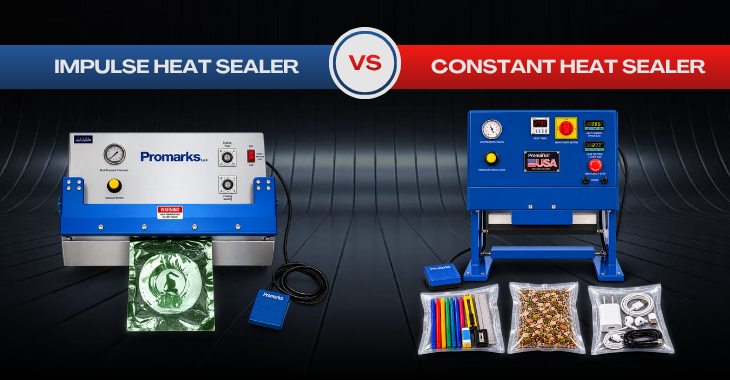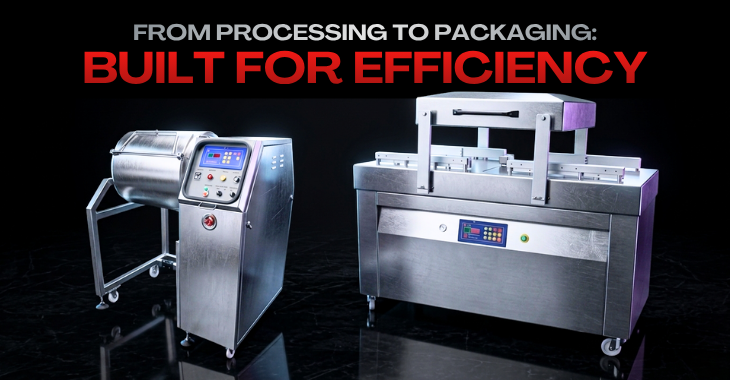
The global meat industry has transformed dramatically over the past few decades. What was once a simple chain of slaughtering, cutting, and selling has now evolved into a highly advanced, technology-driven system where hygiene, preservation, packaging, and logistics play a critical role in success. Today, whether it is beef in a supermarket, vacuum-packed chicken in a retail store, frozen seafood exported across continents, or exotic meats served in high-end restaurants, every product goes through a carefully controlled processing system.
At the center of this transformation is commercial meat processing equipment. These machines are not just supporting tools anymore; they are the foundation of modern meat production. They determine how long meat stays fresh, how it looks on shelves, how safely it travels across borders, and even how profitable a meat processing business can become.
At Promarksvac Corp, we specialize in advanced processing and meat packaging solutions designed for real industrial demands. From small butcher operations to large-scale food manufacturing plants, the need for reliable equipment continues to grow as global demand for meat increases.
This complete guide explores every major meat category, explains how each type is processed, and highlights the essential machines used in modern commercial meat processing facilities.
Understanding Commercial Meat Processing Equipment in Modern Industry
Commercial meat processing equipment refers to industrial-grade machines used for preparing, preserving, packaging, and extending the shelf life of meat products. Unlike traditional methods that rely heavily on manual handling, modern systems are designed for automation, hygiene control, and large-scale production efficiency.
In today’s food industry, these machines are responsible for multiple stages of production. They handle everything from marination and tenderizing to vacuum sealing and thermoforming packaging. Their purpose is not only to improve efficiency but also to ensure food safety standards are consistently maintained.
One of the most important roles of this equipment is preventing spoilage. Meat is highly perishable due to its moisture content and biological composition. Without proper processing, bacteria can grow rapidly, leading to quality loss and food safety risks. This is why modern processors rely heavily on vacuum technology, controlled atmosphere packaging, freezing systems, and advanced sealing solutions.
Another critical aspect is consistency. In large-scale production, every product must look, taste, and perform the same. Commercial meat processing equipment ensures uniformity across thousands of units, which is essential for retail branding and export markets.
Why Meat Preservation Technology is Essential
Meat preservation is one of the most important parts of the food processing chain. Without proper preservation methods, meat can lose its freshness within hours and become unsafe for consumption. This is especially critical in global supply chains where products may travel thousands of kilometers before reaching the end consumer.
Modern preservation techniques help control oxidation, moisture loss, microbial growth, and temperature fluctuations. When combined with advanced packaging systems, these methods significantly extend shelf life while maintaining quality.
Vacuum packaging remains the most widely used preservation method across all meat categories. By removing oxygen from the packaging environment, it slows down bacterial growth and prevents freezer burn. Modified Atmosphere Packaging (MAP) further enhances shelf life by replacing oxygen with protective gases, making it ideal for retail display products.
Freezing is another essential preservation method used across the industry. However, freezing alone is not enough. Meat must first be properly sealed using vacuum packaging to prevent dehydration and ice crystal damage.
Red Meat Processing: Beef, Lamb, Veal, Goat, Mutton, and Pork
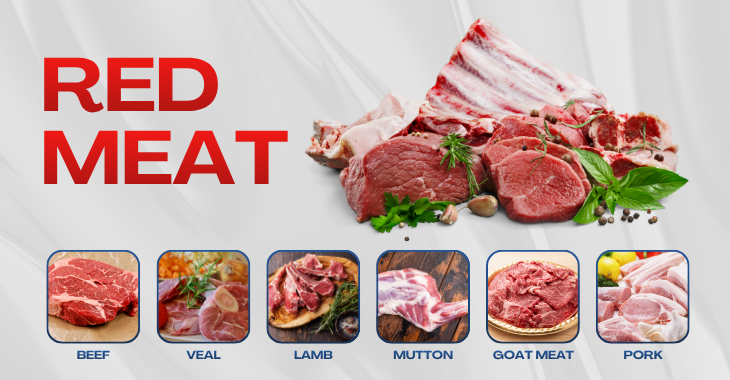
Red meat is one of the most valuable segments of the global meat industry. It includes beef, veal, lamb, mutton, goat meat, and pork. Each type has its own processing requirements, but they all rely on similar core technologies for preservation and packaging.
Beef processing is one of the most equipment-intensive operations in the industry. Large-scale beef processors use vacuum chamber sealers and rollstock thermoforming machines to package everything from fresh steaks to ground beef. Vacuum sealing helps preserve the natural red color of beef while extending shelf life and preventing spoilage during transportation.
In premium beef production, especially dry-aged beef, vacuum packaging plays a different role. It helps maintain controlled aging environments while protecting meat from contamination. Once aging is complete, the product is packaged using high-barrier vacuum systems to maintain quality during retail distribution.
Lamb and mutton processing also rely heavily on vacuum and MAP systems. These meats are often sold in chilled form, where maintaining appearance is critical. MAP packaging helps preserve the bright red color that consumers associate with freshness, especially in supermarket environments.
Goat meat processing is particularly important in Asian, Middle Eastern, and African markets. It is often sold in frozen or chilled form, requiring vacuum sealing for export. Many processors also use vacuum tumblers to improve tenderness and flavor absorption before packaging.
Pork is one of the most processed meats globally, used in products like bacon, ham, sausages, and salami. Pork processing facilities rely heavily on brine injectors, vacuum tumblers, smoking systems, and sealing machines. These machines ensure flavor consistency and extend shelf life for processed pork products.
Poultry Meat Processing and Packaging Systems
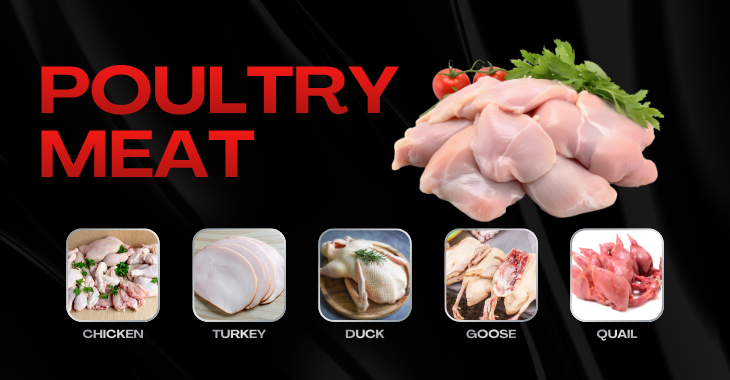
Poultry is one of the fastest-growing segments of the meat industry due to its affordability, versatility, and high demand. Chicken, turkey, duck, goose, and quail all require efficient processing systems because of their high perishability.
Chicken processing plants operate at extremely high speeds. After cutting and portioning, products are immediately transferred to vacuum sealing or thermoforming packaging machines. These systems ensure that chicken remains fresh during storage and distribution.
Vacuum packaging is particularly important in poultry because it reduces exposure to oxygen and prevents bacterial contamination. It also helps extend shelf life significantly, which is essential for export markets.
Turkey processing is similar but often involves larger cuts and seasonal demand spikes. Vacuum packaging systems help manage inventory efficiently during high-demand periods such as holidays.
Duck and goose meat are considered premium poultry products. These meats are often packaged using vacuum skin technology, which provides both protection and an attractive retail presentation. Skin packaging tightly seals the product to a clear film, making it visually appealing for high-end consumers.
Quail meat is usually processed in smaller batches and requires compact vacuum packaging systems suitable for specialty food markets and gourmet restaurants.
Seafood and Fish Processing Equipment
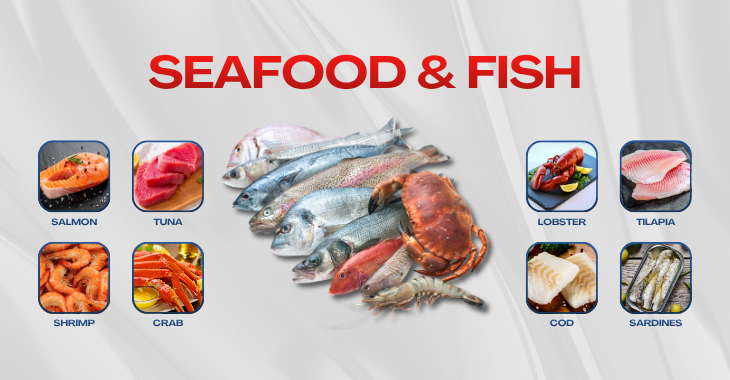
Seafood is one of the most delicate categories in the entire meat industry. Fish and shellfish spoil much faster than red meat or poultry, making proper processing absolutely essential.
Salmon, tuna, cod, tilapia, and sardines are among the most widely processed fish globally. Shrimp, crab, and lobster are also highly valuable seafood products requiring specialized handling.
In seafood processing plants, vacuum packaging is used immediately after cleaning and cutting. This helps preserve freshness and prevent oxidation, especially in fatty fish like salmon and tuna.
Vacuum skin packaging is widely used for premium seafood products. It enhances presentation while keeping the product tightly sealed against contamination. This method is particularly popular in retail markets where visual appeal plays a major role in consumer decisions.
Frozen seafood products are also common, but they require proper sealing before freezing. Without vacuum packaging, seafood can suffer from freezer burn, dehydration, and texture loss.
Thermoforming packaging machines are widely used in large seafood operations because they provide automated, high-speed packaging solutions suitable for export-grade products.
Processed and Cured Meat Industry
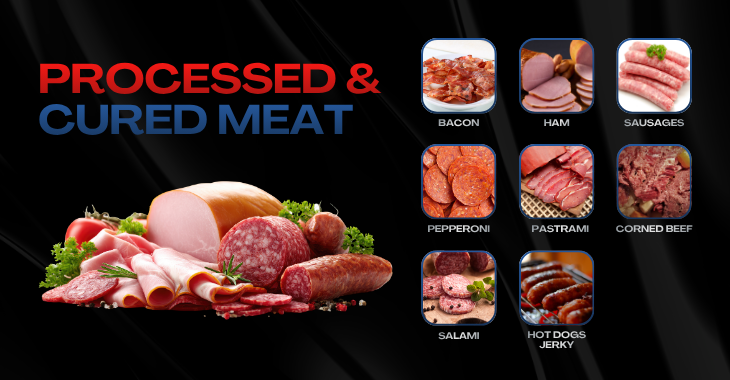
Processed meats represent one of the most complex and profitable sectors of the meat industry. Products such as bacon, ham, sausages, salami, pepperoni, pastrami, and corned beef require a combination of mechanical processing, seasoning, curing, and packaging.
Brine injectors are essential in this category because they ensure even distribution of seasoning and curing agents throughout the meat. After injection, vacuum tumblers are used to enhance flavor absorption and improve texture.
Smoking systems are also widely used, particularly in bacon and ham production. Smoking not only enhances flavor but also contributes to preservation.
Once processing is complete, vacuum packaging becomes critical. Without oxygen exposure, cured meats maintain their color, texture, and flavor for extended periods.
Sausage production lines also rely on piston stuffers and shrink tanks to ensure consistency in shape and packaging tightness. Jerky production follows a similar process but includes dehydration as an additional preservation step.
Game Meat Processing Equipment
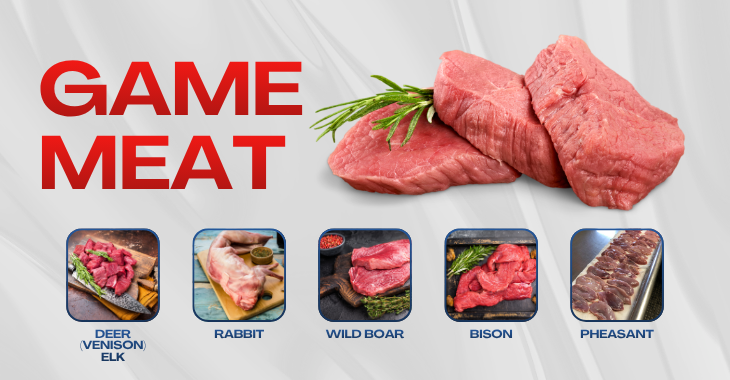
Game meat includes venison, elk, rabbit, wild boar, bison, and pheasant. These meats are becoming increasingly popular due to their lean nutritional profile and natural sourcing.
Game meat processing is often done in smaller batches but requires high precision. Vacuum packaging is the most commonly used preservation method because it prevents freezer burn and maintains flavor during long-term storage.
Many processors also use vacuum tumblers to enhance marination and improve tenderness. Since game meats are often sold as premium products, packaging presentation is extremely important for retail success.
Exotic Meat Processing: Camel, Ostrich, Kangaroo, and Crocodile
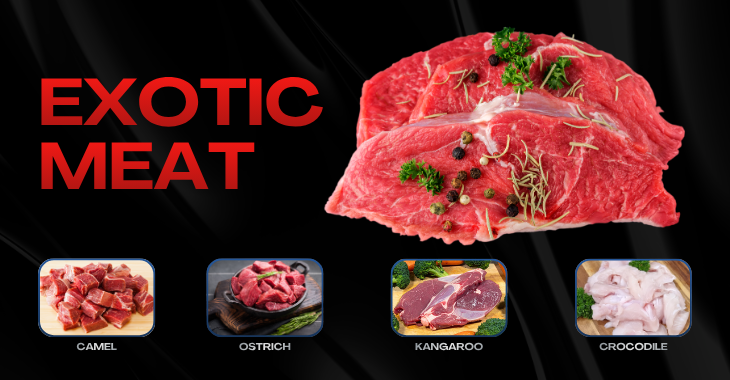
Exotic meats are gaining global attention as consumers become more adventurous with protein choices. Camel meat is widely consumed in Middle Eastern markets, while ostrich meat is popular in South Africa and international gourmet restaurants.
Kangaroo meat is especially significant in Australia, where it is processed using advanced vacuum packaging systems for both domestic consumption and export markets. Its lean composition makes it ideal for health-conscious consumers.
Crocodile meat is processed in countries like Thailand and Australia, where it is packaged using vacuum sealing and skin packaging systems to maintain freshness and export quality.
Because exotic meats often target premium markets, packaging quality plays a major role in branding and consumer appeal.
Major Meat Preservation Methods in the Industry
Modern meat processing relies on several preservation techniques that work together to extend shelf life and maintain product quality.
Vacuum packaging is the most widely used method across all meat categories. It removes oxygen and slows bacterial growth, making it essential for fresh, frozen, and processed meats.
Modified Atmosphere Packaging (MAP) is commonly used in supermarkets where visual presentation is important. It helps maintain the bright color of fresh meat while extending shelf life.
Freezing is used for long-term storage, especially in export markets. However, freezing alone is not enough without proper vacuum sealing.
Other important methods include smoking, curing, brining, marination, and dehydration. Each method enhances flavor while contributing to preservation.
Essential Commercial Meat Processing Equipment
Modern meat processing facilities rely on a combination of machines working together as a complete production system.
Vacuum chamber sealers are widely used in small to medium operations due to their flexibility and reliability. Rollstock thermoforming machines are used in large-scale production for automated packaging lines.
Vacuum tumblers and brine injectors are essential for processed meat production, while shrink tanks are used to finalize packaging appearance.
Each machine plays a specific role in ensuring food safety, efficiency, and product quality.
Why Promarksvac is a Trusted Partner
At Promarksvac Corp., we understand the real challenges faced by meat processors. Our commercial meat processing equipment is designed to deliver reliability, durability, and performance across all meat categories.
From red meat and poultry to seafood, game meat, and exotic proteins, our machines support every stage of production. Whether you are upgrading your facility or starting a new processing line, investing in the right equipment can significantly improve productivity and profitability.
Final Thoughts
The meat industry is evolving rapidly, and businesses that adapt to modern processing and packaging technologies are the ones that stay competitive. Commercial meat processing equipment is no longer just an operational requirement—it is a strategic investment that impacts product quality, shelf life, and customer satisfaction.
From beef and chicken to salmon, venison, kangaroo, and crocodile meat, every category requires specialized handling and preservation techniques. By using advanced vacuum packaging, thermoforming systems, and processing machinery, businesses can ensure consistent quality and long-term success.
For processors looking to upgrade their operations, exploring solutions from Promarksvac Corp. is a strong step toward building a more efficient, scalable, and profitable meat processing system.